


Exercise During PMS: Which Movements Can Help Reduce Discomfort, Bloating, and Mood Changes Before Your Period?
PMS Is More Than Just “Being Moody Before Your Period”
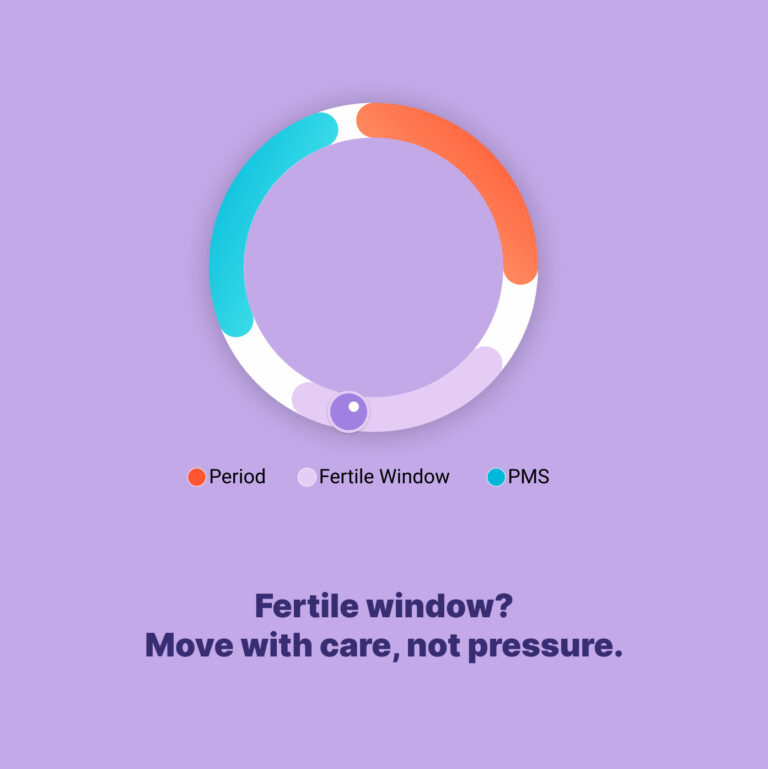
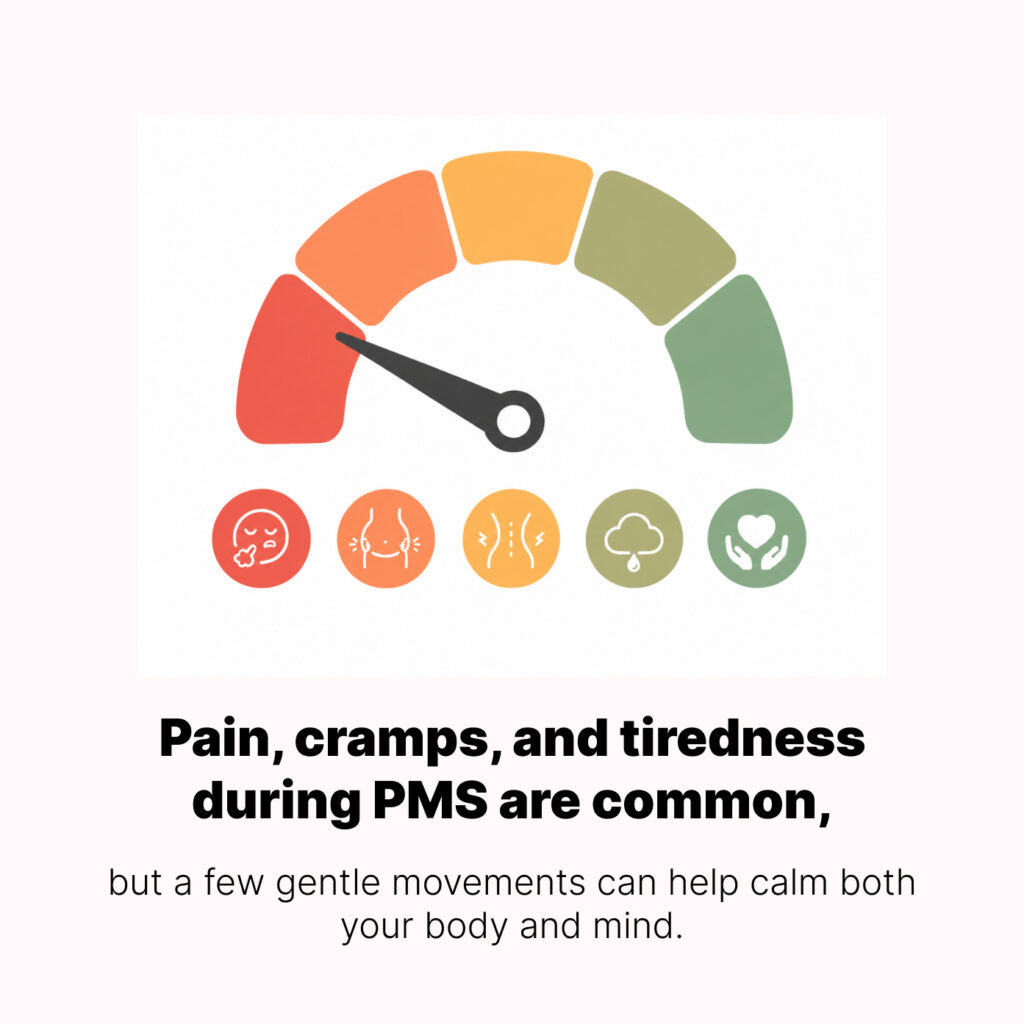
A few days before your period starts, your body may signal that your cycle is entering a new phase before you consciously notice it.
Your abdomen may feel bloated. Clothes may feel tighter. Sleep may become lighter. Your breasts may feel tender. Energy levels may drop. You may become more emotional, cry more easily, feel less social, or even wonder:

“Why am I so tired for no obvious reason?”
For many women, this experience is familiar. It is called PMS, or Premenstrual Syndrome—a collection of physical and emotional symptoms that usually appear in the days leading up to menstruation and often become milder once bleeding begins or shortly afterward.
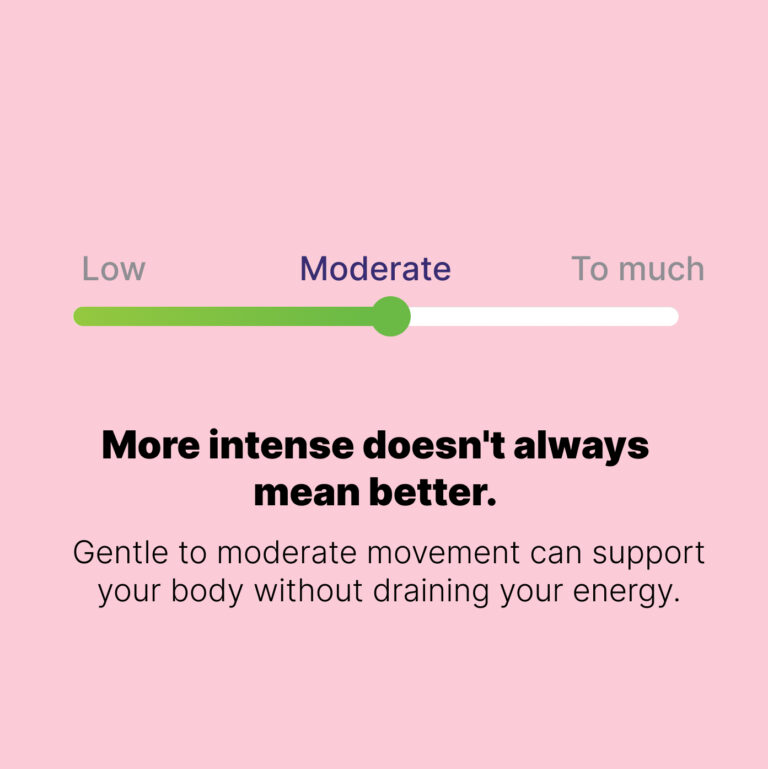
During these days, exercise is often the last thing on your mind. The good news is that you do not need to do intense workouts. During PMS, the goal of exercise is not to push your body harder; it is to help your body feel a little less stuck, swollen, tense, and uncomfortable.
Does Exercise Really Help PMS?
For many women, yes—but not magically, and not in exactly the same way for everyone.
Regular exercise, especially aerobic activities such as brisk walking, gentle cycling, or swimming, may help reduce fatigue, low mood, and tension. Part of this effect is likely related to the release of endorphins, improved sleep quality, reduced stress, and better circulation.
However, it is important to be realistic. Scientific evidence regarding exercise and PMS is promising, but in some areas the quality of evidence remains limited. This means exercise can be a helpful tool, but not a guaranteed solution for every symptom.
If you feel sluggish, bloated, tired, or emotionally sensitive before your period, gentle movement may be worth trying. However, if your symptoms are so severe that they interfere with work, relationships, sleep, or daily life, exercise alone may not be enough and medical evaluation may be appropriate.
What Type of Exercise Is Best During PMS?
During PMS, your body may not operate with consistent and predictable energy levels. One day you may feel energized, and the next day you may feel completely drained.
That is why exercise during this phase should be flexible.
The best options are usually activities that:
- Keep the body moving without exhausting it
- Help reduce muscle tension
- Promote calm breathing and relaxation
- Can easily be shortened or modified
- Leave you feeling better afterward rather than depleted
This means you do not have to follow your usual training plan exactly. If your body is working at a different rhythm during these days, your exercise routine can adapt as well.
1. Walking: The Simplest Option for Low-Energy Days
When PMS causes fatigue, bloating, or low mood, walking is one of the safest and most accessible choices.
It does not need to be long. Even 15–20 minutes of gentle or moderate walking may help move your body out of a sedentary state.
Walking works well on days when you do not feel motivated for a full workout but know that complete inactivity may make you feel worse.
If going outside feels difficult, walking inside your home, hallway, or workplace can still be beneficial.
Simple Suggestion
Walk for 10–20 minutes at an easy or moderate pace.
If the first day of PMS symptoms feels particularly difficult, shorten the duration or postpone the walk until the following day.
2. Gentle Yoga: For Tension, Sensitivity, and Mental Overload
PMS does not only affect the body. Sometimes it affects the mind just as much.
You may feel more sensitive, more reactive, or less emotionally resilient than usual.
During these days, gentle yoga can help slow things down.
This does not mean it will eliminate all symptoms. Instead, it may create a calmer space between you and your symptoms for a few minutes.
If any movement causes abdominal pressure, pelvic pain, or discomfort, skip it.
During PMS, yoga should feel supportive—not forceful.
3. Lower Back and Pelvic Stretches: When Your Body Feels Heavy and Tight
Before menstruation, some women experience tightness in the lower back, pelvis, or thighs.
This sensation may be accompanied by bloating, mild abdominal discomfort, or a general feeling of heaviness.
Gentle stretching may help release muscle tension, especially if you have spent long hours sitting, have not slept well, or have been under stress.
4. Light Strength Training: For Days When You Have Energy but Do Not Want to Overdo It
Contrary to popular belief, PMS does not automatically mean avoiding strength training.
If your energy levels are reasonable, a few simple strength exercises may help create a sense of stability, control, and vitality.
However, reducing intensity is usually a good idea.
You do not need to lift heavy weights or train to failure.
Light strength training means finishing a workout while still feeling like you have energy left.
If you are experiencing breast tenderness, headaches, or obvious fatigue, consider shortening the workout or replacing it with stretching or walking.
5. Swimming or Light Stationary Cycling
Swimming can be calming for some people before their period because it places less stress on the joints and may create a feeling of lightness.
Low-intensity stationary cycling can also be a good option, especially when outdoor activity is not convenient.
One important point:
If PMS is accompanied by significant fatigue, even a light but lengthy workout may leave you feeling drained.
Fifteen to thirty minutes is usually enough.
The goal is not to negotiate aggressively with your body—the goal is to support it.
6. Deep Breathing and Relaxation: For Anxiety, Poor Sleep, and Irritability
Sometimes PMS shows up more as restlessness, anxiety, irritability, or poor sleep than physical pain.
In these situations, breathing exercises can be simple yet helpful.
A Short Exercise
- Inhale for 4 seconds
- Exhale for 6 seconds
- Repeat for 2–5 minutes
You can also try progressive muscle relaxation before bed by gently tensing and then relaxing different muscle groups.
For some people, this may help reduce tension, headaches, and sleep difficulties.
Which Exercises Might Make PMS Symptoms Worse?
For some women, intense exercise during the days before menstruation can have the opposite effect.
They may feel more tired, irritable, hungry, or uncomfortable afterward.
During this time, consider approaching the following activities with more caution:
- Long HIIT sessions
- Intense running workouts
- Heavy lifting to complete exhaustion
- Intense abdominal workouts
- Multiple demanding classes back-to-back
- Exercising in excessive heat
- Hard training combined with strict dieting
- Any workout that leaves you exhausted for several hours afterward
These activities are not automatically inappropriate for everyone.
If your body is well adapted to intense training and you generally feel good afterward, you may not need to change your routine completely.
However, if you consistently experience low energy and increased sensitivity before your period, reducing training intensity may be a smarter choice.
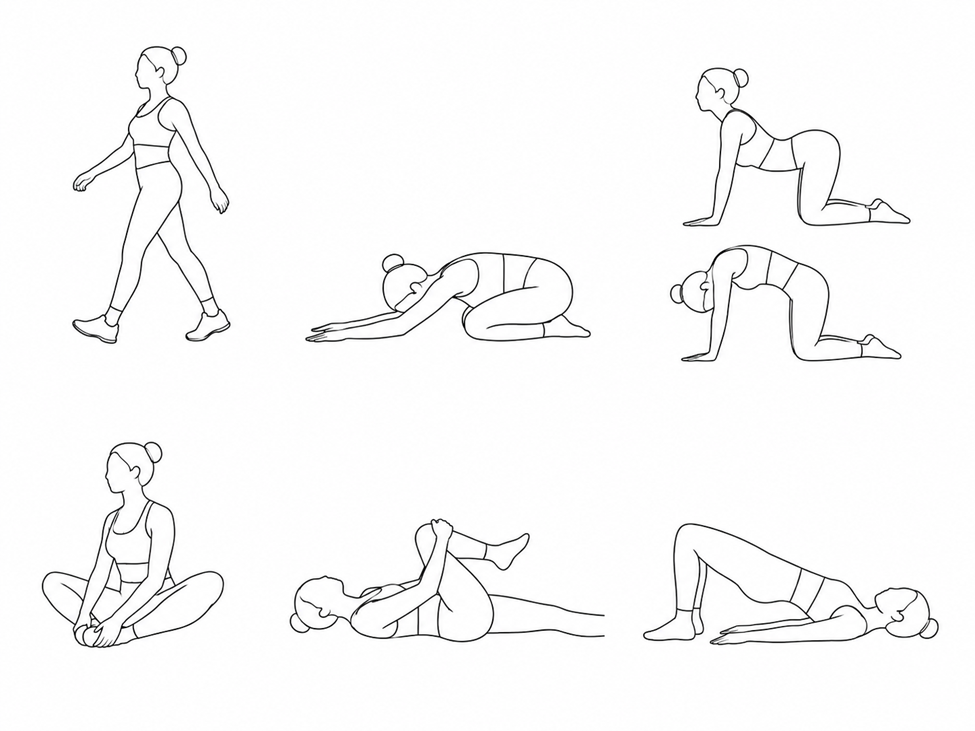
A 15-Minute PMS Exercise Routine
This routine is designed for days when you feel low on energy but want to help your body feel a little lighter.
Minutes 1–3: Calm Breathing
Sit or lie down.
Make your exhale slightly longer than your inhale.
Minutes 4–6: Cat-Cow
Move slowly.
Focus on your spine and breathing.
Minutes 7–9: Butterfly Stretch
Allow your knees to open comfortably.
Bring the soles of your feet together without forcing the stretch.
Minutes 10–12: Glute Bridge
Perform 8–10 slow repetitions.
If you have lower back discomfort, reduce the range of motion.
Minutes 13–15: Gentle Walking or Child’s Pose
If you have energy, walk for a few minutes.
If not, stay in Child’s Pose and focus on your breathing.
This routine is intentionally short because during PMS, getting started is often more important than completing a long workout.
PMS or PMDD? When Should You Take Symptoms More Seriously?
PMS is common, but not every symptom before a period should automatically be dismissed.
If mood changes, hopelessness, severe anger, intense anxiety, or depression become so significant that they interfere with relationships, work, sleep, or daily life, the issue may go beyond typical PMS.
PMDD, or Premenstrual Dysphoric Disorder, is a more severe form of premenstrual symptoms and requires professional evaluation and treatment.
Exercise may help, but it is not a substitute for professional care.
Consider Speaking with a Healthcare Professional If:
- You experience severe depression before your period
- You have thoughts of self-harm or serious hopelessness
- Anger or anxiety disrupts your relationships
- You lose several days of productivity every month
- Symptoms improve after your period starts but return every month
If you feel at immediate risk, seek emergency or crisis support without delay.
How Can You Find the Best Exercise for Your PMS?
The best PMS exercise plan is one that matches your body’s actual pattern.
Walking may work well for one person, yoga for another, and sleep and relaxation for someone else.
To identify your own pattern, track these details across several cycles using the Symptoms section in the DLady app:
- How many days before your period do symptoms begin?
- Are symptoms mostly physical or emotional?
- Do you experience bloating, breast tenderness, or headaches?
- Do your sleep and appetite change?
- Which activities make you feel better?
- Which exercises leave you feeling worse?
- How quickly do symptoms improve after your period starts?
As this information accumulates, PMS becomes less of a vague feeling and more of a recognizable pattern.
You may discover which days are best for exercise, which days require only stretching, and which days are better spent resting.
In DLady, you can track PMS symptoms, mood, energy, sleep, pain, bloating, and symptom onset. This helps you understand your body over multiple cycles instead of relying on guesswork.
Is Exercise Helpful for PMS?
For many women, regular exercise may help reduce fatigue, low mood, tension, and some physical PMS symptoms.
However, results vary between individuals. If symptoms are severe or disabling, consult a healthcare professional.
What Is the Best Exercise Before Your Period?
Walking, gentle yoga, lower back and pelvic stretching, light strength training, and deep breathing are often good choices.
The best exercise is one that leaves you feeling calmer or lighter afterward rather than exhausted.
Is Intense Exercise Bad Before a Period?
For some people, intense exercise before menstruation may increase fatigue, irritability, discomfort, or sleep disturbances.
If your body is accustomed to intense training and you feel well afterward, it may not be a problem. During PMS, however, paying attention to your body's response is particularly important.
What Exercise Helps with Premenstrual Bloating?
Gentle walking, pelvic stretches, Cat-Cow, Butterfly Stretch, and deep breathing may help reduce feelings of heaviness and tension.
If bloating is severe, painful, or unusual, medical evaluation may be appropriate.
Can Yoga Reduce PMS Symptoms?
Yoga may help some women reduce tension, anxiety, discomfort, and restlessness before their period.
Choose gentle, short, adaptable movements rather than long or demanding sessions.
If My PMS Is Severe, Is Exercise Enough?
Not always.
If PMS symptoms are severe, interfere with daily life, or resemble significant anxiety or depression, speak with a healthcare professional or mental health specialist.