


Sperm Freezing and Male Fertility Preservation: Who Needs It, How It Works
Most men do not expect to make decisions about fertility on short notice.
Then something changes. A cancer diagnosis is confirmed. Surgery is scheduled. A semen analysis shows that the sperm count is falling. A vasectomy is being considered. Hormonal treatment is about to begin.
Suddenly, a question that once felt distant becomes urgent:

“Should I freeze my sperm now?”
Sperm freezing is the most established method of preserving male fertility. In many cases, a sample can be collected and stored within a day, without hormonal medication or surgery.
That simplicity matters when treatment cannot wait. But sperm freezing should not be misunderstood as a guarantee.
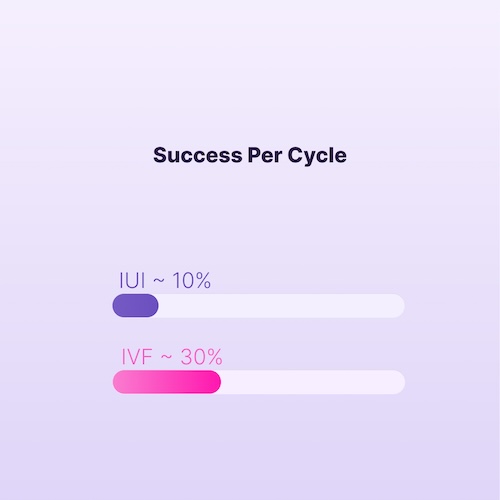
Some sperm will not survive freezing and thawing. A stored sample may later be suitable for intrauterine insemination, or it may require IVF with ICSI. Pregnancy also depends on egg quality, maternal age, uterine health, laboratory performance, and many other factors involving both partners.
The purpose of sperm freezing is not to promise a future child. It is to preserve a reproductive option that may otherwise be lost.
Download the DLady app
What Is Sperm Freezing?
Sperm freezing, also called sperm cryopreservation or semen banking, involves collecting sperm, preparing it in a laboratory, freezing it at an extremely low temperature, and storing it for possible future use.
A semen sample is usually produced through masturbation into a sterile container. The laboratory examines the sample and adds a protective solution called a cryoprotectant, which helps reduce damage during freezing.
The sample is then divided into smaller containers or straws. This allows one portion to be thawed later without using the entire stored sample.
The straws are kept in liquid nitrogen. At these temperatures, sperm activity effectively stops. The cells do not continue ageing in the same way they would inside the body.
When the sperm is needed, one or more straws are thawed and assessed. Depending on how many moving sperm survive, the sample may be used for:
- Intrauterine insemination, or IUI
- In-vitro fertilisation, or IVF
- Intracytoplasmic sperm injection, or ICSI
Sperm freezing is an established fertility-preservation method for males who have entered puberty and are producing mature sperm.
Who Should Consider Freezing Sperm?
Before Cancer Treatment
Some chemotherapy medicines, radiotherapy, stem-cell transplantation, and cancer surgeries can temporarily or permanently reduce sperm production.
The risk depends on:
- The type and dose of treatment
- The area receiving radiotherapy
- Whether one or both testes are affected
- Existing sperm production
- Age and general health
- The underlying cancer itself
Whenever possible, sperm should be frozen before chemotherapy, radiotherapy, or fertility-threatening surgery begins.
This is especially relevant in testicular cancer. Some men already have reduced sperm production before treatment, so waiting until after surgery or chemotherapy may reduce the chance of collecting a usable sample.
Cancer treatment should never be delayed without approval from the oncology team. The oncologist, urologist, and fertility specialist should coordinate the process so that preservation happens quickly and safely.
Even when there is time for only one collection, the sample may still be valuable.
Before Testicular or Pelvic Surgery
Sperm freezing may also be discussed before an operation that could affect sperm production, ejaculation, or the pathway through which sperm leave the body.
Examples include:
- Removal of a testis
- Surgery involving both testes
- Certain prostate or bladder procedures
- Surgery near the nerves responsible for ejaculation
- Operations for reproductive cancers
- Procedures that may block the reproductive tract
Not every operation creates a meaningful fertility risk. The surgeon should explain whether the planned procedure could affect future sperm production or ejaculation.
Before a Vasectomy
A vasectomy is intended to be permanent.
Reversal is sometimes possible, but it does not guarantee that sperm will return to the semen or that pregnancy will occur. Results depend on the time since vasectomy, the quality of the reversal, sperm production, and the fertility of the female partner.
A man who is not completely certain about future family plans may consider sperm banking before the procedure.
However, freezing sperm should not make vasectomy feel temporary or risk-free. Future use normally requires fertility treatment, and storage and treatment costs can continue for years.
When Sperm Count Is Very Low or Declining
A low sperm count does not make freezing pointless.
Sperm banking may be considered when there is:
- Severe oligozoospermia
- Intermittent sperm production
- Risk of progressing to azoospermia
- Testicular failure
- A genetic condition affecting fertility
- Previous chemotherapy or radiotherapy
- A history of undescended testes
- Progressive neurological or systemic disease
- Significant testicular damage
A sample with too few moving sperm for IUI may still be useful for IVF with ICSI. During ICSI, an embryologist injects a single selected sperm directly into an egg.
The laboratory should explain how many sperm were stored, how many straws were created, and which future treatments are realistically possible.
As a Backup Before Fertility Treatment
Producing a semen sample on the day of egg retrieval can be more difficult than expected.
Anxiety, pain, erectile dysfunction, medication, cultural concerns, or the pressure of the treatment day may interfere with collection.
A backup sample may be helpful when there is:
- Previous difficulty producing a sample
- Very low or unpredictable sperm count
- Travel or work-related absence
- Ejaculatory dysfunction
- A planned surgical sperm-retrieval procedure
Having frozen sperm available may prevent an IVF cycle from being interrupted if a fresh sample cannot be produced.
Before Gender-Affirming Hormonal Treatment or Surgery
Oestrogen, anti-androgen medication, and some gender-affirming surgeries can reduce or permanently remove the ability to produce or deliver sperm.
Recovery after stopping treatment is not always predictable.
Anyone who may want genetically related children in the future should ideally receive fertility-preservation counselling before treatment begins.
Does Male Age Matter?
Men can continue producing sperm for much longer than women produce eggs, but male fertility does change with age.
Over time, semen volume, sperm movement, sexual function, hormone levels, and sperm DNA integrity may change. Increasing paternal age has also been associated with more new genetic mutations and a small increase in the relative risk of certain health conditions in children.
For counselling purposes, an age of 40 or older is often described as advanced paternal age.
This does not mean every healthy man should freeze sperm before turning 40.
There is no universal best age for planned sperm freezing. A younger sample preserves the sperm characteristics present at the time of collection, but it does not eliminate the effects of egg quality, maternal age, or other fertility factors.
What Happens Before the Sample Is Frozen?
The clinic will usually review:
- The reason for preservation
- Medical and surgical history
- Previous pregnancies
- Previous semen analyses
- Current medication
- Testosterone or anabolic-steroid use
- Cancer diagnosis and treatment schedule
- Sexual and ejaculatory function
- Future family plans
The clinic may also request screening for infections such as HIV and hepatitis B and C.
A positive infection result does not necessarily prevent storage. It allows the laboratory to handle and store the sample using appropriate safety procedures.
The patient must also sign consent forms explaining:
- How the sperm may be used
- How long it may remain in storage
- Who can authorise its future use
- What happens if consent expires
- What happens after death or loss of decision-making capacity
- Whether the sample can be transferred
- How it may be disposed of
- The cost of storage and future treatment
These decisions matter because the sample may remain frozen for years while relationships, health, residence, and local laws change.
How Is the Sample Collected?
The usual method is masturbation in a private room at the fertility centre.
The clinic provides a sterile container. Ordinary lubricants and condoms should not be used unless the clinic has supplied a sperm-safe product, as some materials can damage sperm.
The clinic will advise how long to avoid ejaculation before collection. The recommended interval may vary according to the reason for freezing and the laboratory protocol.
The whole sample should ideally be collected, because the first portion often contains a high concentration of sperm.
If part of the sample is lost, the laboratory should be told. Otherwise, the semen-analysis result may not reflect the complete ejaculate.
Some centres allow collection at home, but instructions about timing, temperature, transport, identification, and the container must be followed closely.
How Many Samples Are Needed?
There is no single correct number.
Whenever time and sperm production allow, collecting more than one sample usually provides more options.
The number required depends on:
- Sperm concentration
- Motility
- Total motile sperm count
- Post-thaw survival
- Number of straws produced
- Whether future treatment is likely to involve IUI, IVF, or ICSI
- The desired number of children
- Time available before medical treatment
One sample with a strong total motile sperm count may provide several treatment portions.
A man with a very low count may need several collections, and the stored sperm may only be suitable for ICSI.
When cancer treatment is urgent, one sample is still better than assuming preservation is not worthwhile.
What If No Sample Can Be Produced?
Difficulty collecting semen is common and should not be treated as a personal failure.
Possible causes include:
- Anxiety
- Pain
- Erectile dysfunction
- Diabetes
- Neurological conditions
- Medication side effects
- Fatigue
- Depression
- Ejaculatory disorders
- The underlying illness
Depending on the situation, options may include:
- Medication for erectile dysfunction
- Penile vibratory stimulation
- Recovering sperm from urine in retrograde ejaculation
- Electroejaculation
- Surgical sperm retrieval
If no sperm are found in the ejaculate, sperm may sometimes be retrieved directly from the epididymis or testis.
Procedures include PESA, MESA, TESA, TESE, and micro-TESE. The appropriate method depends on whether sperm production is impaired or the reproductive tract is blocked.
In some cancer patients, testicular sperm extraction may be performed during surgery when this is the only realistic opportunity to preserve sperm.
Surgical retrieval cannot guarantee that sperm will be found.
Does Freezing Damage Sperm?
Freezing and thawing place stress on sperm cells.
Some sperm may lose movement, experience membrane damage, or fail to survive. The post-thaw sample therefore often contains fewer moving sperm than the fresh sample.
The more useful question is not whether every sperm survives. It is whether enough viable sperm remain for the planned treatment.
A sample that is no longer suitable for IUI may still be useful for IVF with ICSI.
Properly frozen sperm has been used in fertility treatment for many years. There is no evidence that the freezing process itself creates a meaningful additional risk of birth defects.
What Is the Success Rate?
There is no single sperm-freezing success rate.
“Success” might refer to:
- Collecting a sample
- Finding sperm
- Sperm surviving thawing
- Having enough moving sperm for IUI
- Fertilisation through IVF or ICSI
- Embryo development
- Pregnancy
- Live birth
These are very different outcomes.
The chance of a future live birth depends on:
- The amount and quality of sperm stored
- Post-thaw survival
- The treatment used
- Egg quality
- Maternal age
- Uterine health
- Laboratory experience
- Embryo quality
- Other male and female fertility factors
A high sperm-survival rate should not be presented as the chance of having a baby.
Patients should ask whether their stored sample is expected to be usable for IUI, conventional IVF, or only ICSI.
Can Frozen Sperm Be Used for IUI, IVF, or ICSI?
Frozen sperm can be used for all three, but suitability depends on the sample.
IUI requires a useful number of moving sperm after thawing and processing. If too few motile sperm survive, IUI may have a low chance of success.
IVF uses many sperm around each egg in the laboratory.
ICSI requires far fewer sperm because one selected sperm is injected directly into each mature egg. It is often used when:
- Sperm count is very low
- Motility is poor
- Only a small amount of sperm is stored
- Sperm were retrieved surgically
- Previous fertilisation was poor
ICSI can overcome some problems related to sperm number and movement. It cannot guarantee fertilisation, embryo development, implantation, or live birth.
Can Sperm Be Frozen After Chemotherapy Starts?
Ideally, sperm should be frozen before the first chemotherapy or radiotherapy treatment.
Cancer treatment may damage sperm production and introduce changes into developing sperm. Many centres therefore avoid freezing samples after gonadotoxic treatment has begun or treat them as a last-resort option.
Anyone who has already started treatment should still ask for urgent specialist advice. Fertility preservation may not be impossible, but the situation requires individual assessment.
Cancer treatment should never be stopped or delayed without the oncologist’s approval.
How Long Can Sperm Remain Frozen?
Biologically, sperm can remain preserved for many years when continuously stored under validated cryogenic conditions.
In practice, storage time is controlled by:
- National law
- Written consent
- Clinic policy
- Renewal requirements
- Storage fees
- Rules governing future use
- Transfer regulations
Storage does not always continue automatically. Patients should keep their contact information updated and respond to renewal notices.
Should a Healthy Man Freeze Sperm “Just in Case”?
Most healthy men without an identified fertility risk do not need to freeze sperm routinely.
It may still be a reasonable personal decision for someone who:
- Expects to delay parenthood for many years
- Plans a vasectomy
- Has an abnormal or declining semen analysis
- Has a medical or family history affecting fertility
- Works in a high-risk environment
- Wants a backup before fertility treatment
The decision should not be driven only by social-media fear or clinic advertising.
A normal semen analysis does not guarantee future fertility. An abnormal result also does not prove permanent infertility. Semen values naturally vary, so an unexpected result often needs to be repeated and interpreted by a male reproductive specialist.
Can Lifestyle Changes Help Before Freezing?
Sperm production takes time. Lifestyle changes cannot transform a sample in a few days.
When cancer treatment is urgent, treatment should not be delayed for months in the hope of improving sperm quality.
When time is available, general measures may include:
- Stopping smoking and shisha
- Avoiding recreational drugs
- Avoiding anabolic steroids
- Reviewing testosterone treatment
- Limiting alcohol
- Managing weight
- Treating relevant medical conditions
- Avoiding repeated excessive testicular heat
- Getting sufficient sleep
- Reviewing medication with a doctor
External testosterone and anabolic steroids can suppress sperm production and may sometimes lead to azoospermia.
There is no supplement proven to guarantee a stronger frozen sample or a future pregnancy.
Conclusion
Sperm freezing is the most established way to preserve male fertility.
For someone preparing for chemotherapy, radiotherapy, testicular surgery, or another fertility-threatening treatment, it may protect an opportunity that could otherwise disappear.
It can also be useful before vasectomy, when sperm production is falling, when providing a fresh sample may be difficult, or before gender-affirming hormonal treatment or surgery.
The procedure itself is usually straightforward. The decision is not.
The key questions are not only whether sperm can be frozen, but whether enough usable sperm will be stored, how they may be used later, how long storage is permitted, who can authorise future use, and what the realistic chance of live birth may be.
Sperm freezing preserves an option. It does not promise an outcome.
When treatment may threaten fertility, the conversation should happen early. Even one sample collected at the right time may preserve a possibility that would otherwise be lost.
Download the DLady app to record semen-analysis results, monitor sperm-health indicators, organise reproductive-health information, and prepare for a fertility consultation.
Can Sperm With a Low Count Be Frozen?
Yes. Even a small number of sperm may later be useful for IVF with ICSI.
Is One Sample Enough?
Sometimes. Several samples usually preserve more options, but one sample may still be valuable when time is limited.
Does Frozen Sperm Expire?
It does not have a simple biological expiry date when properly stored. Legal consent and clinic rules determine how long it may remain in storage.
Is Frozen Sperm Weaker Than Fresh Sperm?
Some sperm will not survive thawing, and motility may fall. Surviving sperm can still be used successfully.
Can Frozen Sperm Be Used for Natural Conception?
Frozen sperm is generally used through IUI, IVF, or ICSI. It does not restore natural ejaculation or natural conception.
Should Sperm Be Frozen Before Chemotherapy?
Whenever possible, yes—before treatment begins.
Does Sperm Freezing Guarantee a Healthy Child?
No. It cannot guarantee fertilisation, embryo development, pregnancy, live birth, or the absence of medical or genetic conditions.