


Successful Pregnancy Rate with IVF: Influencing Factors, Realities, and the Path Ahead
Introduction

Assisted reproductive technologies, including in vitro fertilization or IVF, have become one of the main options for infertility treatment for decades. For many couples facing fertility challenges, IVF represents a real hope for building a family. However, approaching this journey requires a realistic understanding of the treatment process, success rates, and the factors that influence the final outcome.
In this article, we attempt to examine the various dimensions of successful pregnancy probability with IVF from a medical perspective without exaggeration or giving definitive promises. The goal is to provide practical information in simple yet precise language so you can make more informed decisions.
—
What is IVF and What is Its General Process?
IVF is a method in which eggs are extracted from the ovaries and fertilized with sperm in a laboratory environment. The resulting embryo is transferred to the uterus after a few days of growth. This process includes several key steps: ovarian stimulation to produce multiple eggs, egg retrieval, sperm sampling, laboratory fertilization, and finally embryo transfer.
Success in this path depends on a complex chain of events; from egg and sperm quality to uterine lining conditions and precision in laboratory steps. For this reason, each individual’s bodily response to this treatment is unique, and a completely identical outcome cannot be expected for everyone.
—
Key Factors Affecting IVF Success Probability
IVF success rates are not a fixed figure and vary for each individual or couple. Clinical studies show that several main factors have the greatest impact on the probability of a successful pregnancy:
1. Age; One of the Most Determining Factors
A woman’s age is one of the most important predictors of success in IVF. As age increases, the quality and quantity of eggs decrease. In general, the chance of successful pregnancy with one’s own eggs is higher in the second and early third decades of life, and changes more steeply past the ages of 35 and especially 40. Of course, this does not mean failure at older ages, but rather the need for more precise evaluation and sometimes the use of alternative methods such as donor eggs.
2. Egg and Sperm Quality
In addition to age, the general health of the egg and sperm plays a direct role in forming a healthy embryo. Lifestyle factors such as nutrition, smoking, alcohol consumption, chronic stress, and exposure to environmental toxins can affect the quality of germ cells.
3. Cause of Infertility
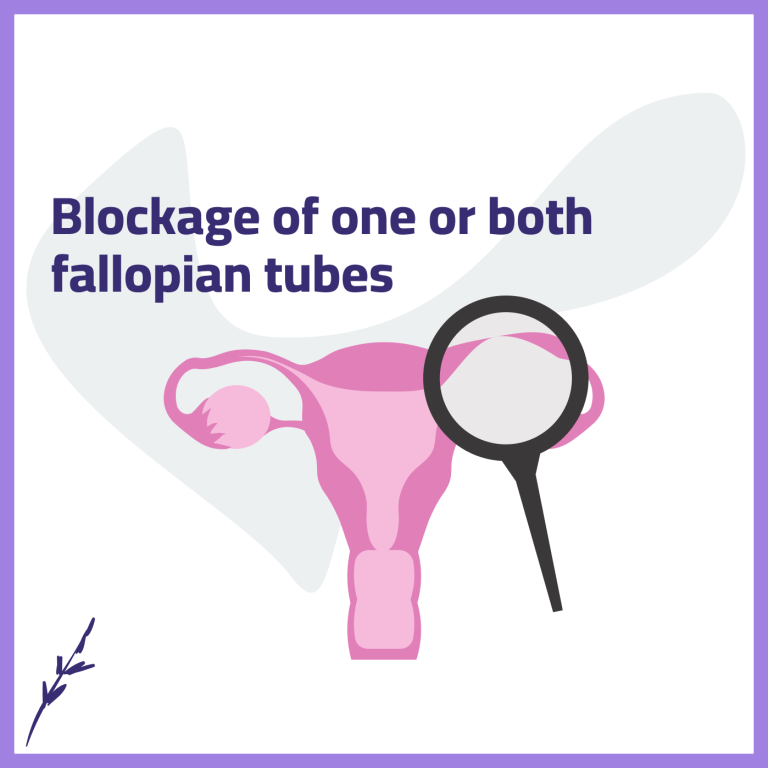
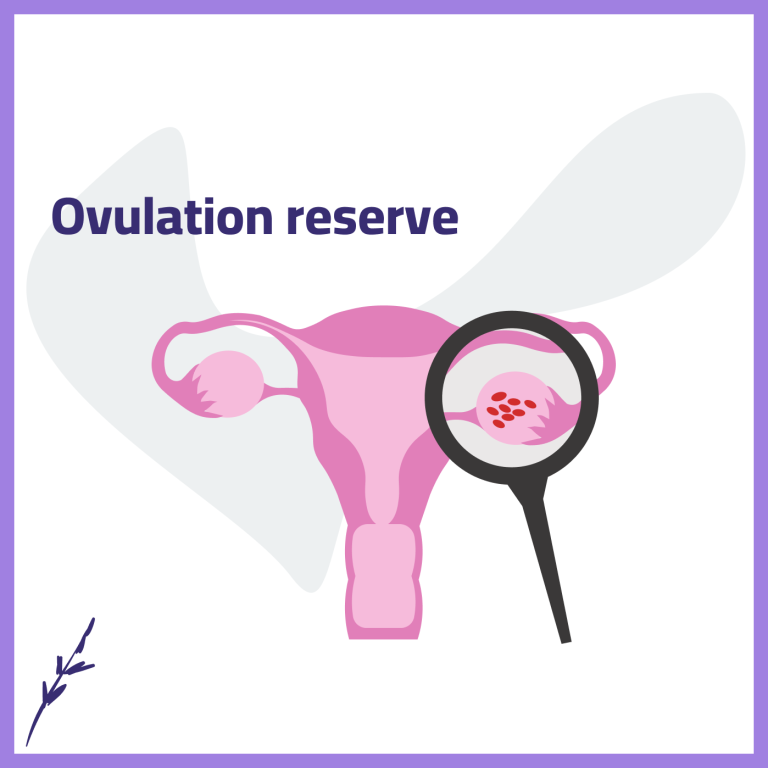
The main reason for seeking treatment is also important. Some conditions like blocked fallopian tubes respond better to IVF, while conditions such as diminished ovarian reserve or severe endometriosis may require more complex treatment protocols.
4. Response to Ovarian Stimulation
How a woman’s body responds to the hormonal medications prescribed to produce eggs provides valuable information to the medical team about the chances of success. The number and quality of eggs obtained at this stage are of high importance.
5. Uterine Health
The readiness of the endometrium (inner lining of the uterus) to accept the embryo is vital. The presence of polyps, fibroids, adhesions, or untreated infections in the uterine cavity can reduce the chance of implantation. Evaluating the uterus prior to embryo transfer is a standard procedure.
—
Role of Embryology and Laboratory Technologies
Significant advances in laboratory technologies have played a major role in increasing the accuracy and quality of infertility treatments. Embryo culture media, advanced incubators, and the skill of embryologists all effectively contribute to the final quality of the embryo and its ability to implant.
Pre-implantation genetic testing (PGT) is also used for some couples today. This technique helps identify chromosomal abnormalities in the embryo and may increase the chance of successful pregnancy in each transfer in specific cases; however, this method is not necessary or suitable for all couples, and the specialist physician decides upon it.
—
Number of Cycles and Realism in Treatment
One of the important realities regarding IVF is that many individuals do not achieve a successful pregnancy in their first treatment cycle. Sometimes, two or more cycles are needed so doctors can adjust the medication protocol or working method based on the individual’s bodily response.
Being aware of this issue helps reduce anxiety and manage expectations. Facing a negative result in an IVF cycle is very difficult and emotionally challenging, but it does not mean the end of the road. Many couples successfully experience pregnancy after repeated attempts or the correction of underlying conditions.
—
Preparation to Increase Success Chances: Lifestyle Approach
Although genetic and medical factors play the primary role, there are actions individuals can take to improve their overall reproductive health status:
– Quitting Smoking and Alcohol: Smoking has a proven negative effect on egg and sperm quality and uterine blood flow.
– Weight Management: Both severe underweight and extreme overweight can disrupt hormonal balance and affect treatment success chances.
– Balanced Nutrition: Consuming foods rich in antioxidants, vitamins, and minerals helps overall cellular health.
– Stress Management: High levels of stress hormones can affect hormonal balance. Using relaxation techniques such as yoga, meditation, or psychological counseling can be a good support along this path.
—
Emotional and Psychological Aspects of the IVF Journey
Infertility treatment and the IVF process are not merely a medical procedure, but an emotional journey that brings significant psychological pressure. The anxiety of waiting, hormonal fluctuations caused by medications, and worry over the outcome affect the mental health of the individual and couple.
It is important to pay as much attention to this aspect of treatment as to the physical aspects. Talking to specialists in the field of fertility counseling, joining support groups, and having a safe space for dialogue with a partner are an important part of comprehensive care during this period.
—
Conclusion
The probability of a successful pregnancy with IVF is influenced by multiple factors including age, cause of infertility, embryo quality, and uterine conditions. Despite numerous scientific advances, this method is not a guaranteed path and may require patience, persistence, and repetition.
A realistic view of the treatment process, choosing a reputable treatment center, open communication with the medical team, and attention to mental health are among the main pillars of success on this path. Remember that each medical case is unique, and no one can provide an accurate assessment of your conditions quite like the gynecologist or infertility subspecialist who has reviewed your file.