


Normal Sperm Analysis but No Pregnancy? The Role of Varicocele in Male Infertility
When pregnancy does not occur, the first focus is usually on ovulation, ovarian reserve, fallopian tubes, or uterine condition. However, infertility is not only a female issue. Male factors—sperm quality, testicular function, and the reproductive system—must also be evaluated from the beginning.
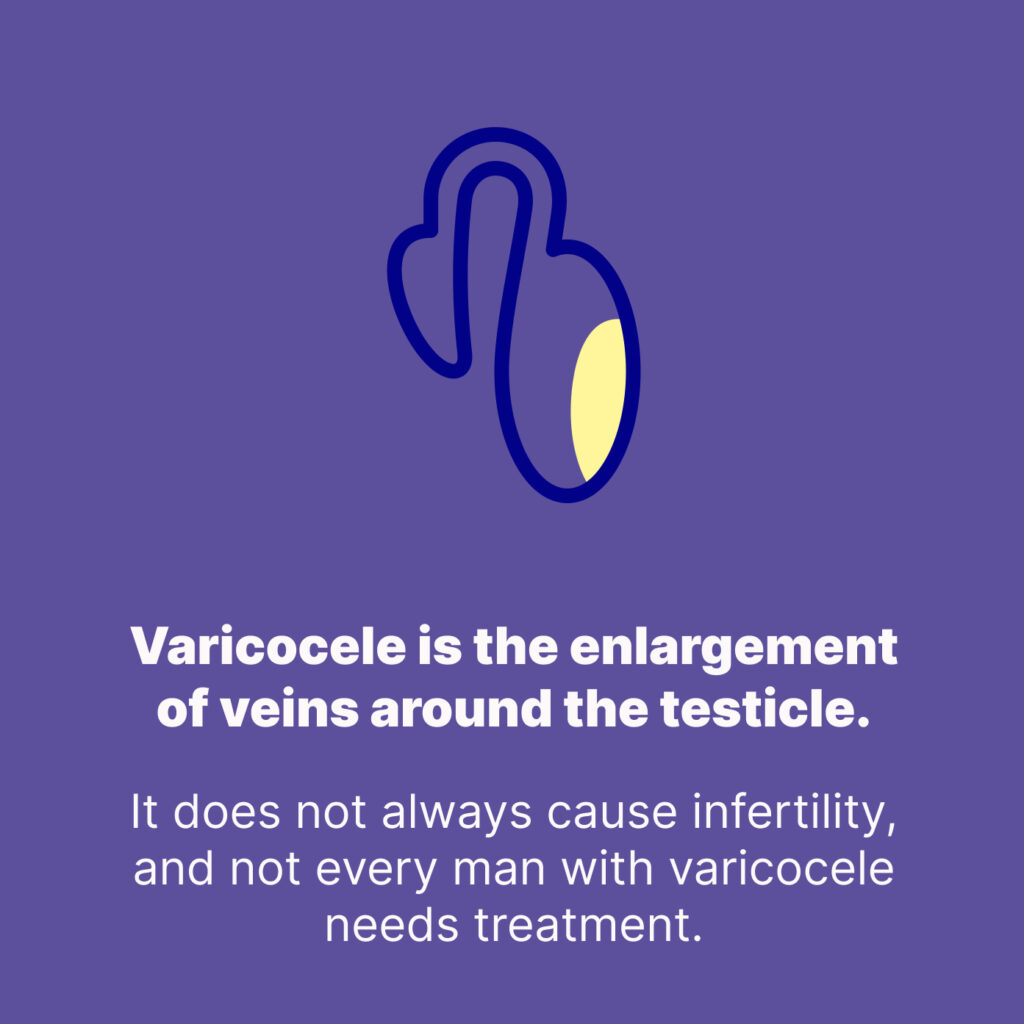
Varicocele is one of the conditions that may be identified during male infertility evaluation. However, having a varicocele does not always mean infertility, and not every patient requires surgery.
On the other hand, a normal semen analysis alone does not guarantee that all aspects of male fertility are normal.

So the key question is not “Is varicocele good or bad?”, but rather:
- Is varicocele detectable on physical examination?
- Is the couple experiencing infertility?
- Is the semen analysis abnormal?
- Has the female partner been evaluated?
- Is the couple trying naturally or planning IVF/ICSI?
- Would treating varicocele actually be beneficial in this situation?
In this article, we review these questions based on WHO recommendations, WHO semen analysis standards, and official health guidelines from Abu Dhabi and Dubai.
Quick Answer: Does Varicocele Cause Infertility?
Varicocele can in some men affect sperm production, reduce sperm count or motility, and alter the testicular environment. However, many men with varicocele still father children without treatment.
According to WHO recommendations, treatment is generally considered when:
- The man is part of an infertile couple
- A clinical (palpable) varicocele is present
- Semen analysis is abnormal
A varicocele seen only on ultrasound, without physical findings or fertility issues, does not automatically require surgery.
What Is Varicocele?
Varicocele is an abnormal enlargement of the veins around the testicle. These veins are part of the system that drains blood from the testicle and helps regulate its temperature.
When venous valves or blood flow do not function properly, blood pools in the veins, causing them to enlarge and become twisted—similar to varicose veins in the legs.
Varicocele is more common on the left side of the scrotum. Many men have no symptoms, and it is often discovered during infertility evaluation or routine examination.
Possible symptoms include:
- Heaviness in the scrotum
- Dull pain, especially after standing long periods
- Increased discomfort after exercise
- Relief when lying down
- Visible or palpable enlarged veins
- Difference in testicular size
- Abnormal semen analysis results
Symptoms alone do not confirm diagnosis; other causes of testicular pain must be ruled out by a physician.
Clinical vs Subclinical (Ultrasound) Varicocele
This distinction is critical for treatment decisions.
Clinical Varicocele
A clinical varicocele is detectable by physical examination. The doctor typically examines the patient while standing and may use the Valsalva maneuver.
WHO treatment recommendations mainly apply to clinical varicocele.
Subclinical (Ultrasound-Detected) Varicocele
This type is not detectable by touch and is only seen on Doppler ultrasound.
Mild vein dilation on ultrasound alone does not prove that varicocele is the cause of infertility or that surgery will improve fertility outcomes.
Therefore, treatment should not be based solely on ultrasound findings.
What Does WHO Recommend About Varicocele Treatment?
According to the World Health Organization (WHO), varicocele surgery is not recommended for all men.
Treatment is mainly considered when:
- The couple is infertile
- Pregnancy is desired
- A clinical varicocele is present
- One or more semen parameters are abnormal
These recommendations apply mainly to couples not currently undergoing assisted reproductive technologies (ART) such as IVF or ICSI.
Importantly, WHO guidance should not be interpreted as meaning all men must undergo surgery before IVF.
What If Sperm Analysis Is Normal?
WHO distinguishes between abnormal and normal semen parameters.
In a man who:
- Has a clinical varicocele
- Has normal semen analysis
- Has no other symptoms
The benefit of surgery for improving fertility is not clearly established.
However, a “normal” semen analysis must still be interpreted carefully. A single test cannot fully define male fertility.
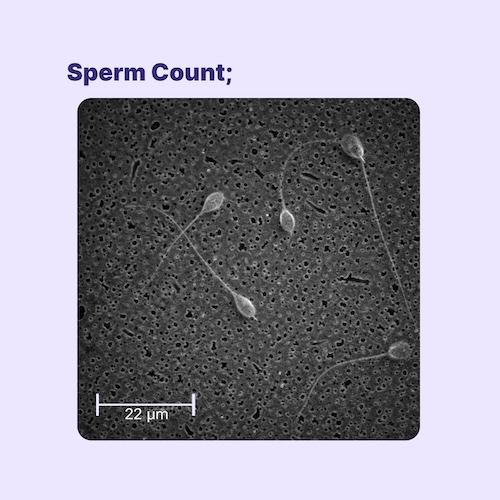
What Does a Semen Analysis Measure?
According to WHO laboratory guidelines, semen analysis evaluates:
- Semen volume
- Sperm concentration
- Total sperm count
- Total motility
- Progressive motility
- Vitality
- Morphology
- Physical characteristics
- Possible inflammatory cells or abnormalities
This is one of the most important tests in male fertility evaluation, but it is not a definitive test of fertility or infertility.
Is WHO Reference Range a Fertility Cutoff?
No.
WHO reference values are not a strict boundary between fertile and infertile men. A man below the reference range may still father children, and a man within the range may still face infertility.
Semen results must be interpreted alongside:
- Duration of trying for pregnancy
- Age of both partners
- Previous pregnancies
- Female fertility status
- Physical examination findings
- Medical history and surgeries
- Medications
- Recent fever or illness
- Sample collection quality
- Abstinence period
- Laboratory quality
WHO standards are designed to improve consistency, not to define absolute fertility.
Is One Semen Test Enough?
No.
Semen parameters can vary over time. Fever, infections, stress, medications, sample conditions, and abstinence duration can affect results.
If abnormal, a repeat test may be required. Timing depends on severity and clinical context.
How Can Varicocele Affect Sperm?
Effects vary among individuals, but possible mechanisms include:
Increased Testicular Temperature
Impaired venous drainage may reduce temperature regulation, affecting sperm production.
Oxidative Stress
Excess reactive oxygen species can:
- Reduce motility
- Damage sperm membrane
- Impair function
- Increase DNA damage
Altered Testicular Environment
Changes in blood flow may disrupt sperm production.
Semen Parameter Changes
- Reduced concentration
- Lower total count
- Decreased progressive motility
- Increased abnormal morphology
Can Varicocele Damage Sperm DNA?
In some men, varicocele is associated with increased sperm DNA fragmentation due to oxidative stress.
However, standard semen analysis does not measure DNA damage.
Sperm DNA fragmentation testing is not routinely recommended for all men.
According to the Abu Dhabi Department of Health, it may be considered in:
- Unexplained infertility
- Normal semen analysis with varicocele
- Recurrent miscarriage
- Repeated ART failure
Does Varicocele Affect IVF or Fertilization Failure?
Varicocele may contribute to sperm dysfunction but is not a confirmed direct cause of IVF failure.
IVF failure can occur due to:
- Poor ovarian response
- Low egg yield
- Egg quality issues
- Fertilization failure
- Embryo arrest
- Implantation failure
- Pregnancy loss
Female factors, age, genetics, uterine conditions, and lab factors also play major roles.
Should Varicocele Be Treated Before IVF?
There is no universal answer.
Treatment may be considered when:
- Clinical varicocele exists
- Semen abnormalities are present
- Time allows improvement before IVF
Key factors:
- Female age
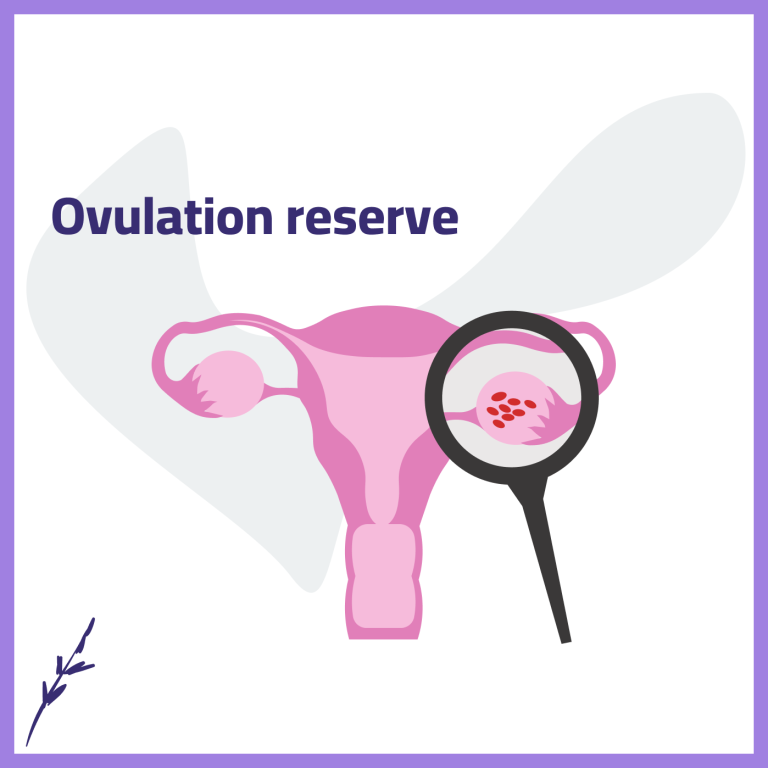
- Ovarian reserve
- Duration of infertility
- Severity of sperm issue
- Previous IVF failure
- Time constraints
In older women or low ovarian reserve, delaying IVF for surgery may not be ideal.
Who May Benefit From Treatment?
- Infertile couples
- Clinical varicocele
- Abnormal semen parameters
- Confirmed female evaluation
- Planned conception
- Clinical judgment supporting benefit
Who Usually Does NOT Need Surgery?
- Subclinical varicocele only on ultrasound
- Normal semen analysis without infertility
- No clinical varicocele
- Expectation that surgery guarantees pregnancy
- No infertility diagnosis
Treatment Options
Varicocelectomy
Surgical ligation of affected veins.
Microsurgical approach is often preferred when available due to:
- Better vein identification
- Preservation of arteries and lymphatics
- Lower recurrence risk
Embolization
Minimally invasive radiological procedure blocking affected veins via catheter.
Choice depends on anatomy, expertise, and availability.
Does Treatment Guarantee Pregnancy?
No.
Outcomes depend on:
- Age of both partners
- Egg quality
- Severity of sperm issue
- Duration of infertility
- Other causes
- Treatment response
When to Recheck Semen After Surgery?
Sperm production takes ~3 months.
Follow-up is usually done after 3 months, sometimes longer.
Is Doppler Ultrasound Always Necessary?
No.
Physical examination is the first step. Ultrasound is used when needed for clarification.
Routine ultrasound is not recommended for all men.
Can Lifestyle Changes Cure Varicocele?
No.
But they may support fertility:
- Stop smoking
- Avoid drugs
- Reduce heat exposure
- Maintain healthy weight
- Exercise
- Sleep well
- Manage chronic diseases
Do Antioxidants Help?
Evidence is mixed. Not all supplements are beneficial, and high doses may be unnecessary.
Questions to Ask Your Doctor
- Is it clinical or ultrasound-only?
- What grade is it?
- Are semen tests standardized?
- Should I repeat testing?
- Which parameters are abnormal?
- Is there a female factor?
- What is success probability?
- How long to wait?
- Is delay risky?
- Best treatment option?
- If no surgery, next step?
When to Seek Infertility Evaluation?
After 12 months of unprotected intercourse (WHO definition), or earlier if:
- Female age is high
- Irregular cycles
- Medical history
- Known varicocele
- Previous infertility signs
- Recurrent miscarriage
Warning Symptoms Not to Ignore
- Sudden severe testicular pain
- Swelling
- Fever
- Nausea
- Redness
- Testicular mass
Fertility Should Be Evaluated as a Couple
WHO defines infertility as a condition affecting either partner.
Abu Dhabi health guidelines also recommend joint evaluation.
DLady is designed to support couple-based fertility tracking.
Conclusion
Varicocele may affect sperm in some men but does not always cause infertility.
WHO emphasizes:
- Treatment decisions must be based on clinical findings
- Benefit is most likely in infertile men with abnormal semen
- Recommendations should not be overextended to IVF success
No single semen value defines fertility.
Best decisions consider both partners, test results, and clinical context.
Varicocele is a condition to evaluate—not a definitive verdict on fertility.
Does every varicocele require surgery?
No. WHO mainly emphasizes treatment for infertile men who have a clinical (palpable) varicocele and abnormal semen analysis. A mild varicocele seen only on ultrasound is not, by itself, a definite indication for surgery.
Can you still conceive naturally with varicocele?
Yes. Many men with varicocele are able to father children without any treatment. Its impact depends on testicular function, sperm quality, and the reproductive health of both partners.
Does a normal sperm test mean varicocele is irrelevant?
Not entirely. A normal result is reassuring, but it does not evaluate all aspects of male fertility. In some cases—such as unexplained infertility or failed treatments—a physician may recommend further investigation.
Does WHO recommend varicocele surgery before IVF?
WHO recommendations on varicocele treatment primarily apply to couples who are not undergoing assisted reproductive technologies (ART). Therefore, it cannot be interpreted as a general recommendation for surgery before IVF.
Does varicocele cause sperm DNA damage?
Varicocele in some men is associated with oxidative stress and increased sperm DNA damage. However, sperm DNA fragmentation testing is not routinely performed for all patients.
Does a WHO semen analysis define fertility or infertility?
No. WHO reference ranges are useful for interpretation and standardization, but they do not define a strict boundary between fertility and infertility.
How long does it take for sperm to improve after varicocele surgery?
The effect of treatment is not immediate. The first evaluation is usually performed around three months after surgery, and further follow-up may be required.
Does varicocele treatment guarantee pregnancy?
No. Treatment may improve fertility chances in some men, but outcomes depend on female factors, male factors, and the overall couple’s reproductive situation.
Can varicocele cause recurrent miscarriage?
Varicocele is not a confirmed direct cause of miscarriage. In some cases, sperm DNA damage may be evaluated, but recurrent miscarriage has multiple causes, and both partners should be assessed.