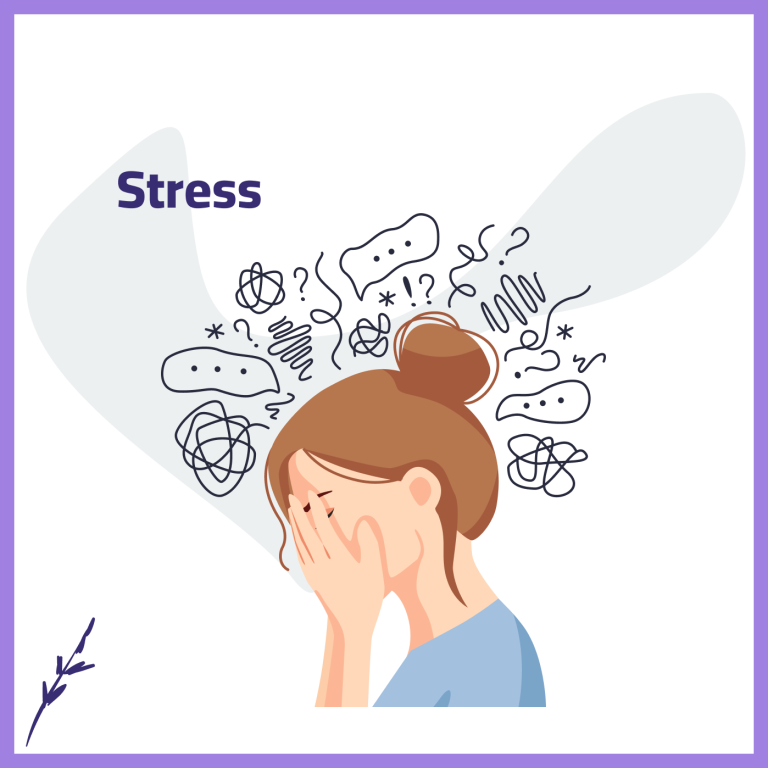



Can Pregnancy Stress and Depression Harm the Baby? When You Don’t Have to Be Happy All the Time
Pregnancy does not always look like calm photos and smiling faces on social media.
Sometimes pregnancy means waking up with hope and going to sleep in tears. It means feeling happy when you hear the baby’s heartbeat, but a few hours later asking yourself: “If I’m this anxious, am I hurting my baby?” It means everyone expects you to be happy, while inside you may feel fear, exhaustion, insomnia, worry, guilt, or even numbness.

If these sentences feel familiar, the first thing you need to know is this: you are not alone, you are not weak, and you are not supposed to be happy every single day of pregnancy.
Mental health during pregnancy is part of pregnancy care — just like blood pressure, blood tests, ultrasound, or checking fetal growth. The World Health Organization estimates that around 10% of pregnant women and 13% of women who have recently given birth experience some form of mental disorder, mainly depression; this number has been reported to be even higher in low- and middle-income countries.
So if you experience anxiety, depression, crying, insomnia, or fear of childbirth during pregnancy, it is neither strange nor shameful. But it is important not to ignore it.
This article is not going to tell you “don’t be stressed.” Because that sentence is usually neither scientific nor helpful. The goal of this article is to explain, in a calm and evidence-based way:
• When does pregnancy stress and depression become concerning?
• Does maternal anxiety or crying directly harm the baby?
• Which warning signs should be taken seriously?
• Which strategies can truly help?
• And how can daily tracking of mood, sleep, symptoms, and medications help you have a better conversation with your doctor?
This content is not a substitute for a doctor, psychiatrist, midwife, or therapist. If your symptoms are severe, prolonged, or worrying, please speak with a specialist.
Short Answer: Can Pregnancy Stress and Depression Harm the Baby?
One bad day, a few hours of crying, an argument, worry before an ultrasound, or short-term anxiety usually does not mean direct harm to the baby. The human body is designed to experience a range of emotions, and no mother is expected to remain calm, happy, and stress-free throughout pregnancy.
But if anxiety or depression is severe, long-lasting, untreated, and disruptive to daily life, it should be taken seriously. Not to frighten the mother, but to support her. A mother’s mental health can affect sleep, nutrition, follow-up appointments, medication use, relationships, and self-care. These are the factors that can make the pregnancy journey harder.
So the right question is not: “Did I hurt my baby by feeling sad?”
A better question is:
“Does my mental state need support, follow-up, or treatment?”
Why Does This Question Feel So Scary During Pregnancy?
Many pregnant women are not only upset about their stress; they are afraid of the effect of stress on the baby. This fear can make anxiety worse.
For example, after a difficult day, you may tell yourself:
“I cried so much today; what if I hurt the baby?”
“My sleep has been bad for weeks; what if the baby’s growth is affected?”
“I take antidepressants; what if they are dangerous for the baby?”
“Everyone says a mother should be happy, so why am I so sad?”
These thoughts are common, but they are not always accurate. An anxious mind usually creates the worst-case scenario. Especially during pregnancy, because the issue is not only about you; it involves the baby, the future, birth, the body, the relationship, family, and a thousand other worries.
What Exactly Does Mental Health During Pregnancy Mean?
Mental health during pregnancy means the state of your emotions, thoughts, sleep, energy, anxiety, relationship with your body, relationship with the baby, worries about the future, and ability to care for yourself during pregnancy.
This is not only about severe depression. Pregnancy mental health can include:
• Anxiety about the baby’s health
• Fear of miscarriage or preterm birth
• Fear of vaginal birth or C-section
• Frequent crying
• Insomnia or poor-quality sleep
• Guilt
• Loneliness
• Obsessive attention to body symptoms
• Low motivation
• Severe irritability or lack of patience
• Feelings of worthlessness
• Fear of becoming a mother
• Worry about your relationship with your partner or family
• Financial or work-related worries
• Depression during pregnancy
• Anxiety or depression after birth
The American College of Obstetricians and Gynecologists, ACOG, emphasizes in its clinical guidance that mental health screening during pregnancy and postpartum should include depression, anxiety, anxiety-related disorders, bipolar disorder, self-harm thoughts, and postpartum psychosis.
This means pregnancy mental health is not a side issue. It is a serious and standard part of maternal care.
Anxiety During Pregnancy: What Is Normal and What Needs Follow-Up?
Some worry during pregnancy is normal. The body changes, there are many tests, every pain or spotting episode can feel frightening, and the future is somewhat uncertain.
Normal worry usually has these features:
• It comes and goes.
• It decreases with accurate information.
• It does not seriously interfere with sleeping or eating.
• It does not stop daily life from functioning.
• It does not cause constant checking, searching, or mental catastrophizing.
But anxiety needs more attention when:
• It continues almost every day.
• It disrupts sleep.
• It causes palpitations, shortness of breath, stomach pain, nausea, or severe tension.
• It makes you constantly check body symptoms.
• It prevents you from enjoying pregnancy.
• It causes avoidance of appointments, ultrasounds, or daily activities.
• It comes with panic attacks.
• It creates repetitive and frightening thoughts about harm to the baby.
In these situations, the goal is not to blame yourself. The goal is to get help.
Depression During Pregnancy: When You Don’t Have to Be Happy All the Time
One of the most painful parts of depression during pregnancy is not sadness itself; it is the guilt of being sad.
Many mothers tell themselves:
“I should be happy.”
“So many people wish they were pregnant; why do I feel so empty?”
“If I say I’m not okay, people will think I’m not a good mother.”
“What if this bad feeling means I don’t love my baby?”
But depression during pregnancy is not a sign of being a bad mother. It is not a sign of ingratitude. It is not a sign of weak faith, weak personality, or lack of love for the baby. Depression is a real mental health condition that can happen during pregnancy.
The U.S. National Institute of Mental Health, NIMH, defines perinatal depression as a mood disorder that occurs during pregnancy or after childbirth and can range from mild to severe.
What Are the Symptoms of Depression During Pregnancy?
Pregnancy depression may be associated with these symptoms:
• Persistent sadness
• Repeated crying
• Loss of interest in things that used to feel enjoyable
• Severe and unexplained fatigue
• Feelings of worthlessness or guilt
• Major appetite changes
• Insomnia or sleeping too much
• Hopelessness
• Reduced concentration
• Withdrawing from others
• Feeling disconnected from the pregnancy or baby
• Frightening or harmful thoughts
If these symptoms continue for more than two weeks or interfere with daily functioning, it is better to speak with a doctor, midwife, or mental health professional.
Can Excessive Crying During Pregnancy Harm the Baby?
Crying during pregnancy often comes with guilt for many mothers. Crying by itself does not mean harming the baby. Crying is a human response to pressure, fear, exhaustion, pain, hormonal changes, or loneliness.
But if the crying:
• happens almost every day,
• comes with severe hopelessness,
• has disrupted sleep and eating,
• is accompanied by thoughts of self-harm,
• or makes it impossible to do daily tasks,
then the issue is no longer just “crying”; it may be a sign of anxiety or depression, and you should get help. Instead of asking, “Did I hurt my baby by crying?” it may be better to ask yourself:
“What is causing these tears, and do I need more support?”
A Short Exercise for Moments When Crying Comes
If you feel the tears coming nonstop, pause for a few moments.
Place your hand gently on your heart or belly and take three slow breaths.
Tell yourself:
“Right now, my body is showing me something. I don’t have to fight this feeling. I just want to understand what has made me this tired, scared, or sad.”
Then ask yourself:
“What caused these tears?
Do I just need rest right now, or should I ask someone for help?”
If you feel that talking to your partner, mother, sister, or a safe friend can calm you, talk to them. You do not have to carry everything alone.
Sometimes a short walk, a few calm breaths, a glass of water, or a few minutes of simple meditation can help the body move out of a state of pressure.
Remember:
Crying means your body is asking for attention, not that you are a weak mother.
Short-Term Stress Is Different From Chronic Stress
There is a big difference between one stressful day and months of intense anxiety.
Short-term stress can mean:
• A family argument
• Worry before a test
• Crying after hearing bad news
• Anxiety before an ultrasound
• Temporary fear of childbirth
These are usually part of life and do not mean direct harm to the baby.
Chronic or untreated stress means:
If psychological pressure continues for weeks or months, it may affect sleep quality, nutrition, activity, relationships, medication use, attendance at appointments, and the ability to care for yourself.
For this reason, the main issue is not that a mother must never feel stress. That is unrealistic. The issue is that long-term and severe stress should not be left without support and follow-up. In this situation, ask your doctor to refer you to a counselor or therapist and stay under care.
If You Are the Partner, Mother, or Safe Friend of a Pregnant Woman
You should know that saying “don’t stress” to a pregnant woman does not help.
Because anxiety does not switch off by command. When someone tells a pregnant woman, “Don’t stress, it’s bad for the baby,” the result is usually not calm. The result is:
• The mother becomes more afraid of her own stress.
• She feels guilty.
• She may hide her emotions.
• She may seek help later.
• She may search the internet more for frightening answers.
A better sentence is:
“You have the right to be worried. Let’s talk and see what is making you anxious and what kind of support you need.”
Fear of Childbirth: A Real Fear, and Common Among Pregnant Women
Fear of childbirth can range from ordinary worry to severe and paralyzing fear. Some mothers fear pain, some fear C-section, some fear vaginal birth, some fear incontinence, some fear harm to the baby, and some fear losing control of their body.
Fear of childbirth may come with thoughts such as:
• What if I can’t tolerate it?
• What if something bad happens during birth?
• What if the doctor doesn’t take me seriously?
• What if I am forced into a C-section?
• What if the baby is harmed?
These fears should not be mocked or dismissed with sentences like “everyone gives birth.” If fear of childbirth is severe, it may affect sleep, decision-making, the relationship with the body, and the experience of pregnancy.
Helpful strategies may include childbirth education, talking to a doctor or midwife, writing down questions, breathing practice, preparing a birth plan, partner support, and in severe cases psychotherapy.
Antidepressants During Pregnancy: Do Not Stop Them on Your Own
One of the most sensitive parts of pregnancy mental health is the use of antidepressant or anti-anxiety medication. Some women were taking medication before pregnancy. Some develop severe symptoms during pregnancy and the doctor prescribes medication. A common fear is:
• Will the medication harm the baby?
• Should I stop the medication right now?
• If I continue, will I regret it later?
Do not start or stop any psychiatric medication during pregnancy on your own. Decisions about medication should be made with a doctor based on symptom severity, medical history, type of medication, dose, pregnancy conditions, and the risks of untreated depression or anxiety.
In May 2026, a large analysis published in The Lancet Psychiatry reviewed data from 37 studies; these studies included around 650,000 pregnancies exposed to antidepressants and around 25 million pregnancies without exposure. Reports showed that after controlling for factors such as maternal mental health, family history, and genetics, no clear association was found between common antidepressant use during pregnancy and increased risk of autism or ADHD in the child.
These findings do not mean “self-directed medication use is safe.” They mean that simplified and absolute fears about medication do not always match scientific evidence. On the other hand, severe and untreated depression or anxiety can also create risks for the mother and the pregnancy journey.
So if you take medication:
• Do not stop it on your own.
• Do not change the dose without your doctor’s advice.
• Clearly discuss your concerns with your doctor.
• Track symptoms, sleep, mood, and possible side effects.
• If you forgot or stopped medication, do not hide it.
A practical note
Before your doctor’s visit, write these down, and never hide a medication because you fear being judged:
• Medication name
• Dose
• Time of use
• When you started taking it
• Symptoms before medication
• Changes after medication
• Sleep quality
• Anxiety severity
• Crying, irritability, or worrying thoughts
• Any side effect you feel
Regular tracking can be very helpful. In DLady, you can track medications, sleep, mood, anxiety, physical symptoms, tests, and appointment times so that when you speak with your doctor, instead of relying on a stressed memory, you have a more accurate report. Install the DLady app and start tracking regularly.
When Should You Get Help Immediately?
Some symptoms need urgent follow-up. If you experience any of the following, it is better to contact a doctor, midwife, psychiatrist, emergency service, or trusted person without delay:
• Thoughts of harming yourself
• Thoughts of harming the fetus or baby
• Severe hopelessness
• Feeling that you can no longer continue
• Repeated panic attacks
• Severe insomnia lasting several days
• Inability to eat or care for yourself
• Frightening and repetitive thoughts that are hard to control
• Hearing voices or seeing things that others do not
• Very risky or sudden behaviors
• Suddenly stopping psychiatric medication without medical advice
Getting help in these situations is not a sign of weakness. It is a sign of maturity and care for yourself and your child.
Evidence-Based Strategies for Managing Anxiety and Depression During Pregnancy
There is no single plan for everyone. Some people improve with psychotherapy, some need medication, and some manage better with a combination of therapy, social support, better sleep, physical activity, and daily tracking.
What matters is that strategies are realistic, doable, and free from blame. So definitely discuss it with your doctor so they can suggest the best approach for you. And if your doctor ignores your emotional symptoms and anxiety, go to hospitals that have obstetrics and gynecology departments.
Physical Activity
If your doctor has not restricted you, for many low-risk pregnancies, gentle walking, light stretching, or pregnancy-safe exercise can help improve sleep, mood, and energy. Of course, the type and intensity of activity should match the individual situation and the doctor’s advice.
Newer studies in perinatal depression have also shown that physical activities such as walking, yoga, stationary cycling, or gentle exercise may be associated with reduced symptoms of depression and anxiety, although the quality of evidence and each individual’s condition should be considered carefully.
Physical activity during pregnancy should not come with pressure, force, or comparison. The goal is not for the mother to be “stronger than ever.” The goal is to help the body move slightly out of freeze, anxiety, and mental exhaustion.
How to start?
• Start with 10 minutes of slow walking.
• Set the goal as “feeling better,” not breaking a record.
• After the activity, record your physical and emotional state.
• If you experience dizziness, pain, bleeding, severe shortness of breath, or an unusual symptom, stop and contact your doctor.
Mental Calm
Mind-body practices such as yoga, slow breathing, meditation, and body-awareness exercises can be helpful for some pregnant women. These practices are especially helpful when anxiety has settled in the body — meaning it appears as muscle tension, palpitations, short breathing, restlessness, or insomnia.
An article published in Frontiers in Public Health in November 2025 reported that mind-body practices may help improve perinatal depression and anxiety, but the overall quality of evidence in some outcomes was low and study heterogeneity was high.
So it is better to see these practices this way:
Helpful, but not a substitute for specialized treatment in severe symptoms.
A simple breathing exercise for moments of anxiety
When anxiety rises:
- Place one hand on your chest and one hand on your belly.
- Breathe in slowly through your nose.
- Make the exhale slightly longer than the inhale.
- Instead of fighting your thoughts, just say: “Right now, my body is anxious, but I am taking care of myself.”
- If you feel dizzy, stop the exercise.
Sleep
During pregnancy, sleep may be disrupted for many reasons: frequent urination, pelvic pain, nausea, heartburn, fetal movement, worry, nightmares, or anxiety before birth.
But when sleep remains poor for a long time, the mind’s tolerance also decreases. Anxiety increases, crying increases, and decision-making becomes harder.
What helps improve sleep?
• Keep sleep and wake times as consistent as possible.
• Stop frightening pregnancy searches before bed.
• Write down worries on paper or record them in the app.
• If you wake up in the middle of the night, do not blame yourself.
• Manage caffeine within the allowed range and with your doctor’s advice.
• If insomnia becomes severe or prolonged, speak with your doctor.
Tracking sleep alongside mood is very important. Sometimes a mother thinks, “I feel bad for no reason,” but when she looks at the data…
In DLady, you can track sleep, mood, anxiety, and physical symptoms together. This helps you see patterns instead of guessing; for example, how insomnia, nausea, pain, or forgetting medication relates to your mental state.
5. Daily Mood Tracking: Because Memory Does Not Work Accurately During Anxiety
When you are anxious or depressed, memory usually either makes everything seem worse than reality or removes important details.
You may tell the doctor during a visit: “I always feel bad.”
But if you have daily tracking, you may see:
• Anxiety becomes more severe mostly at night.
• After contact with a specific person, mood worsens.
• On days when sleep is less than 5 hours, crying increases.
• After a short walk, mood improves.
• Forgetting one medication is associated with worsening symptoms.
• Before tests or ultrasounds, anxiety rises.
This information is also valuable for the doctor. Because decisions about referral, psychotherapy, medication, testing, rest, or more support are made better with data.
The HappyMums study in BMJ Open 2026 moves exactly in this direction: using a mobile app to collect data that may help predict depression during pregnancy. This study enrolls pregnant women between weeks 13 and 28 to use an app and collect data related to pregnancy mental health.
This means the future of pregnancy care is not limited to scattered appointments. Daily data can help reveal patterns.
Partner Support: Pregnancy Mental Health Is Not Only the Mother’s Responsibility
One common mistake is putting the entire burden of pregnancy mental health on the woman. But the partner, family, and surrounding environment play an important role. A pregnant mother should not have to carry everything alone to prove she is strong.
A partner can help by:
• Listening without immediately giving advice
• Attending appointments
• Helping track medications and appointments
• Reducing household pressure by helping with tasks such as cooking and cleaning
• Taking symptoms of depression or anxiety seriously
• Not frightening the mother with unscientific statements
• Supporting decisions about treatment
• Asking this simple question: “How can I help you today?”
Sometimes this simple support prevents loneliness from becoming deeper.
Can an App Replace a Doctor?
No.
No app should replace a doctor, midwife, psychiatrist, or therapist. But a good app can help you record your information better, see patterns, and have a more accurate conversation with your doctor.
DLady can support you exactly at this point:
• Daily mood tracking
• Sleep tracking
• Anxiety tracking
• Physical symptom tracking
• Medication and timing tracking
• Test tracking
• Appointment tracking
• Recording questions to ask the doctor
• Helping identify repeated patterns
• Preparing a report for discussion with the doctor
This means you do not have to pull everything out of your scattered and anxious memory on the day of the appointment. You can speak with more data and more structure.
Download DLady
If you want to track mood, sleep, anxiety, medications, symptoms, and pregnancy appointments more regularly, install the Android version of DLady from Google Play.
Conclusion: After Becoming Pregnant, and While Your Baby Is Growing Within You, You Do Not Have to Be Happy All the Time
Stress, anxiety, crying, or depression during pregnancy does not mean you are a bad mother or that you have definitely harmed the baby. Human emotions are part of pregnancy.
But if feeling unwell is long-lasting, severe, or disruptive, it should not be dismissed with phrases like “it’s normal” or “just tolerate it.” Pregnancy mental health is part of pregnancy care.
Remember:
• One day of crying is not a disaster.
• Short-term anxiety does not mean direct harm to the baby.
• Depression during pregnancy is not weakness.
• Fear of childbirth can be discussed and managed.
• Do not stop medication on your own.
• If you have harmful thoughts, get help immediately.
• Tracking sleep, mood, anxiety, medications, and symptoms can help reveal patterns.
• A doctor can help better when they have a clearer picture of your days.
Pregnancy is not only the path of fetal growth; it is also the path of caring for the mother.
If you want to follow this journey with more awareness, in DLady you can track mood, sleep, anxiety, physical symptoms, medications, tests, and pregnancy appointments, and have a more prepared report for your doctor. The Android version of DLady is ready to install on Google Play.
Can pregnancy stress harm the baby?
Short-term stress, everyday worries, or a few episodes of crying usually do not mean direct harm to the baby. But severe, long-lasting, and untreated stress should be followed up, because it can affect sleep, nutrition, self-care, and the pregnancy journey.
Is excessive crying during pregnancy dangerous?
Crying by itself is not dangerous, but if it happens almost every day, comes with hopelessness, insomnia, loss of appetite, or harmful thoughts, you should speak with a doctor or mental health professional.
What are the symptoms of depression during pregnancy?
Persistent sadness, loss of interest, frequent crying, severe fatigue, guilt, insomnia or sleeping too much, appetite changes, hopelessness, reduced concentration, and withdrawing from others can be symptoms of pregnancy depression.
Is taking antidepressants during pregnancy dangerous?
The decision about medication should be made with a doctor. New research has shown that after controlling for family factors and maternal mental health, no simple and clear link was found between common antidepressant use during pregnancy and increased risk of autism or ADHD, but starting, stopping, or changing medication should only be done with medical advice.
What can be done for pregnancy anxiety?
Daily symptom tracking, enough sleep, reducing frightening searches, psychotherapy, breathing exercises, gentle physical activity with medical permission, partner support, and if needed, medication under medical supervision can help.
Is fear of childbirth normal?
Some fear of childbirth is normal, but if the fear is severe, disrupts sleep and daily life, or causes constant panic, it is better to talk with a doctor, midwife, or therapist.
Can yoga and meditation help anxiety during pregnancy?
For some women, mind-body practices such as yoga, breathing, and meditation can help reduce anxiety and improve mood. However, these methods are not a substitute for specialized treatment in severe symptoms and should be adapted to pregnancy conditions.