Varicocele in conception fail
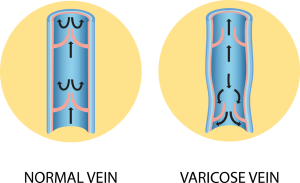
Varicocele is a common medical condition that affects the veins within the scrotum—the pouch of skin that holds the testicles. It occurs when the valves inside the veins that drain blood from the testicles fail to function properly. As a result, blood flows backward or pools within the veins, causing them to become enlarged and twisted. This process is similar to varicose veins that occur in the legs.
Although varicocele is often harmless, it can have significant consequences for male reproductive health. In some men, varicocele interferes with normal sperm production and function, making it one of the leading causes of male infertility worldwide.
How Common Is Varicocele?
Varicocele is extremely common. It affects approximately:
- 15% of adult men
- Up to 20% of adolescent boys
- Around 40% of men evaluated for infertility
The condition typically develops during puberty and may gradually worsen over time. Varicocele is far more likely to occur on the left side of the scrotum, due to differences in how the left and right testicular veins drain blood into the abdominal circulation.
What Causes Varicocele?
The exact cause of varicocele is not fully understood. However, it is believed to result from a combination of anatomical and physiological factors, including:
- Faulty or absent valves in the testicular veins
- Increased pressure in the veins draining the testicles
- Anatomical differences between the left and right venous systems
Certain factors may increase the risk or severity of varicocele, such as:
- Genetic predisposition
- Hormonal influences
- Prolonged standing or physical strain
- Environmental or occupational exposures
Symptoms of Varicocele
Many men with varicocele experience no symptoms at all and may only discover the condition during a routine physical exam or fertility evaluation. When symptoms do occur, they may include:
- A dull, aching pain or heaviness in the scrotum
- Swelling or visibly enlarged veins, often described as feeling like a “bag of worms”
- Discomfort that worsens with standing, exercise, or prolonged activity
- Improvement of symptoms when lying down
In adolescents, varicocele may cause testicular shrinkage or impaired testicular growth, which can have long-term implications for fertility.
How Varicocele Affects Sperm and Fertility
Varicocele can impair male fertility through several biological mechanisms:
1. Increased Scrotal Temperature
The testes require a temperature slightly lower than core body temperature to produce healthy sperm. Varicocele disrupts normal heat regulation, leading to increased scrotal temperature. Even small increases can significantly reduce sperm count, motility, and viability.
2. Oxidative Stress
Varicocele is associated with increased production of reactive oxygen species (ROS). Excess oxidative stress can damage sperm membranes and DNA, reducing fertilization potential and increasing the risk of miscarriage.
3. Hormonal Disruption
Varicocele may interfere with testosterone production and other hormonal signals necessary for sperm development and maturation. Altered hormone levels can negatively affect sperm quality and testicular function.
4. Genetic and Chromosomal Damage
Men with varicocele have higher rates of sperm DNA fragmentation and chromosomal abnormalities. These genetic issues may lead to failed fertilization, poor embryo development, or early pregnancy loss.
Diagnosis of Varicocele
Varicocele is usually diagnosed through:
- Physical examination, especially while standing or performing the Valsalva maneuver
- Scrotal ultrasound, which confirms dilated veins and abnormal blood flow
Ultrasound is particularly useful when physical findings are unclear or when assessing adolescents and fertility-related concerns.
Does Every Varicocele Require Treatment?
Not all varicoceles need treatment. Many men with varicocele have normal fertility and no symptoms. Treatment is generally considered when varicocele is associated with:
- Infertility or abnormal semen parameters
- Chronic scrotal pain
- Testicular atrophy (shrinkage)
- Poor testicular growth in adolescents
The decision to treat depends on symptom severity, semen analysis results, age, and the reproductive goals of the individual or couple.
Treatment Options for Varicocele
1. Varicocelectomy (Surgical Repair)
This procedure involves tying off or removing the abnormal veins to redirect blood flow to healthy veins. It can be performed using open surgery, laparoscopy, or microsurgical techniques.
2. Varicocele Embolization
A minimally invasive procedure in which a catheter is used to block the affected veins from within, preventing blood pooling. Recovery is usually faster than surgery.
Both approaches aim to reduce scrotal temperature, improve blood circulation, and enhance sperm quality over time.
Varicocele and Fertility Outcomes
Multiple studies show that treating varicocele can:
- Improve sperm count, motility, and morphology
- Reduce sperm DNA damage
- Increase natural pregnancy rates
- Improve outcomes of assisted reproductive technologies such as IVF
However, improvement is not guaranteed, and results vary depending on age, baseline sperm quality, and duration of the condition.
Final Thoughts
Varicocele is one of the most common and treatable causes of male infertility. While not every case requires intervention, varicocele can significantly impair sperm production, genetic integrity, and reproductive outcomes in some men. Early diagnosis, appropriate evaluation, and individualized treatment decisions are essential for optimizing fertility potential.
If you are experiencing scrotal discomfort, fertility challenges, or abnormal semen results, consulting a healthcare professional can help determine whether varicocele plays a role and what treatment options may be appropriate.