What is Sperm?
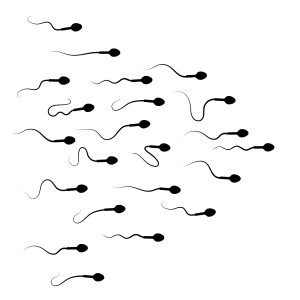
Sperm is the male reproductive cell, also known as the male gamete, and it plays a central role in human reproduction. Its primary function is to fertilize the female egg (ovum) and deliver the father’s genetic material to create a new human life. Without healthy and functional sperm, natural conception cannot occur. For this reason, understanding sperm structure, function, and health is essential for male fertility and reproductive well-being.
This article provides a comprehensive, science-based explanation of what sperm is, how it is produced, its structure, and why sperm quality matters for successful conception.
The Biological Role of Sperm in Reproduction
Sperm cells are unique because they contain only half the genetic material required to form a human being. Each sperm carries 23 chromosomes, while the egg also contains 23 chromosomes. When fertilization occurs, these chromosomes combine to form a zygote with 46 chromosomes, establishing the genetic blueprint of the future embryo.
This process ensures genetic diversity and allows inherited traits from both parents to be passed on to the next generation.
Structure of a Sperm Cell and Its Functions
Sperm cells are highly specialized and designed for one purpose: reaching and fertilizing the egg. Each sperm consists of three main parts:
1. Head
The head of the sperm contains the nucleus, which stores the DNA. Covering the nucleus is the acrosome, a cap-like structure filled with enzymes. These enzymes allow the sperm to penetrate the protective outer layers of the egg during fertilization.
2. Midpiece
The midpiece is packed with mitochondria, which generate the energy required for sperm movement. This energy fuels the tail and allows the sperm to swim through the female reproductive tract. Efficient mitochondrial function is closely linked to sperm motility.
3. Tail (Flagellum)
The tail is a long, whip-like structure that propels the sperm forward. Its coordinated movements enable sperm to travel long distances toward the egg. Proper tail structure is critical for normal sperm motility and fertility.
How Is Sperm Produced? (Spermatogenesis)
Sperm production occurs in the testes through a process called spermatogenesis. This process begins at puberty and continues throughout a man’s life. Producing a mature sperm cell takes approximately 64 to 72 days.
Spermatogenesis involves multiple stages of cell division and maturation and is regulated by hormones such as testosterone and follicle-stimulating hormone (FSH). Any disruption in this process can negatively affect sperm count, shape, or movement.
Semen and Its Role in Sperm Health
Sperm cells are released from the body in a fluid called semen. Semen is a mixture of sperm and secretions from the seminal vesicles, prostate gland, and bulbourethral glands.
Semen plays several critical roles:
- Nourishing sperm cells
- Protecting sperm from acidic environments
- Enhancing sperm motility
Although sperm are essential, they make up only a small percentage of the total semen volume.
Ejaculation and the Journey of Sperm
During sexual stimulation, ejaculation occurs, releasing semen from the male reproductive system. Sperm travel from the testes through the epididymis, vas deferens, ejaculatory ducts, and urethra before exiting the body.
Once inside the female reproductive tract, sperm can survive for up to three to five days under favorable conditions, increasing the chances of fertilization during the fertile window.
Fertilization: When Sperm Meets Egg
Fertilization occurs when a healthy sperm successfully binds to and penetrates an egg. The genetic material from both cells merges, forming a zygote—the first cell of a new human life. This marks the beginning of embryonic development.
Why Sperm Health and Quality Matter
Male fertility depends not only on the presence of sperm but also on their quality. Key sperm parameters include:
- Sperm count
- Motility (movement)
- Morphology (shape)
- DNA integrity
Factors such as smoking, alcohol consumption, stress, poor nutrition, environmental toxins, and aging can all negatively impact sperm health.
Sperm: More Than Just a Cell
Sperm is not merely a biological unit or a nutrient. It is a highly sophisticated cell designed to initiate life. Understanding sperm biology helps break taboos, improve fertility awareness, and empower individuals and couples to make informed reproductive decisions.