What is A female egg?
A female egg, also known as an ovum or oocyte, is the female reproductive cell and one of the most fundamental elements of human reproduction. This cell carries half of the mother’s genetic material and, when fertilized by a healthy sperm, can initiate the development of a new human life. The female egg is typically the largest cell in the human body and has a highly specialized and complex structure designed to support fertilization and early development.
In this article, we provide a comprehensive, science-based explanation of what a female egg is, how it develops and matures, its structure, and why egg quality plays a vital role in fertility.
The Role of the Female Egg in Human Reproduction
Each female egg contains 23 chromosomes, which represent half of the genetic information needed to create an embryo. When a sperm cell, also carrying 23 chromosomes, fertilizes the egg, a zygote with 46 chromosomes is formed. This genetic combination is responsible for inherited traits and biological diversity.
Eggs are produced and stored in the ovaries, and typically one mature egg is released during each menstrual cycle through a process called ovulation. After ovulation, the egg remains viable for approximately 12 to 24 hours. If fertilization does not occur during this time, the egg degenerates and is shed along with the uterine lining during menstruation.
Structure of the Female Egg and the Function of Each Part
The female egg consists of several specialized components, each with a specific role in protection, nourishment, and fertilization:
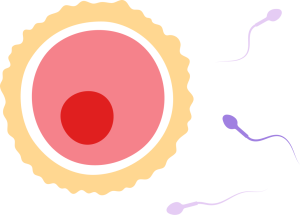
Zona Pellucida
A thick, transparent outer layer that surrounds and protects the egg. It plays a crucial role in sperm recognition, binding, and prevention of multiple sperm entering the egg.
Corona Radiata
A layer of supportive cells surrounding the zona pellucida that provides nutrients and structural support to the egg.
Cytoplasm
The fluid-filled interior of the egg, rich in organelles, proteins, and molecules essential for early cell division and embryonic development.
Nucleus
The central structure containing the egg’s chromosomes and genetic material, which later fuses with the sperm nucleus during fertilization.
Polar Bodies
Small cells formed during meiotic division. They do not contribute to reproduction and are considered byproducts of the egg’s maturation process.
How Does a Female Egg Develop? (Oogenesis)
The process of egg formation and maturation is known as oogenesis, a long and tightly regulated process that begins before birth.
During fetal development, primordial germ cells migrate to the ovaries and divide by mitosis to form oogonia. These cells then enter the first stage of meiosis and become primary oocytes, which remain arrested in prophase I until puberty—a pause that can last for many years.
After puberty, during each menstrual cycle:
- One primary oocyte resumes meiosis
- The first meiotic division is completed, forming a secondary oocyte and a polar body
- The secondary oocyte enters metaphase II and is released during ovulation
If a sperm penetrates the egg, the second meiotic division is completed, producing a mature ovum and another polar body. The egg nucleus then fuses with the sperm nucleus, forming a zygote—the first cell of a new individual.
Why Egg Health and Quality Matter
Egg quality is one of the most critical factors in female fertility. Several elements can affect egg health, including:
- Age (both egg quantity and quality decline over time)
- Hormonal balance
- Lifestyle factors, such as stress, nutrition, and sleep
- Environmental exposures and medical conditions
Poor egg quality can reduce the chances of fertilization, successful implantation, and a healthy pregnancy.
The Female Egg: The Beginning of Life
The female egg is far more than a single cell. It represents the starting point of human life, carries the mother’s genetic legacy, and is the result of an intricate biological process that spans decades. Understanding egg biology empowers women with knowledge about their fertility and supports informed decisions regarding reproductive health and family planning.