Ovulation reserve in conception fail
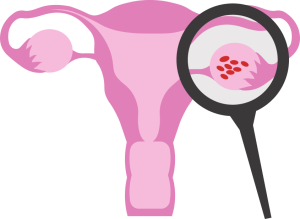
Ovarian reserve is a medical term used to describe both the number and the quality of eggs a woman has in her ovaries at any given time. It is one of the most critical factors influencing female fertility and plays a central role in the ability to conceive, whether through natural conception or assisted reproductive technologies (ART) such as in vitro fertilization (IVF).
Unlike sperm production in men, which continues throughout life, women are born with a finite number of eggs. This egg supply gradually declines over time, both in quantity and quality. As ovarian reserve decreases, the chances of conception decline, and the risks of infertility, miscarriage, and chromosomal abnormalities increase.
How Ovarian Reserve Changes Over Time
A woman’s ovarian reserve is established before birth. During fetal development, the ovaries contain millions of immature eggs. By birth, this number drops significantly, and it continues to decline throughout childhood and adulthood. By puberty, only a fraction of the original egg supply remains.
With each menstrual cycle, multiple follicles begin to mature, but usually only one egg is ovulated. The rest undergo natural degeneration. Over time, this process leads to a gradual depletion of the ovarian reserve. This decline accelerates with age, especially after the mid-30s and more sharply after age 40.
In addition to aging, ovarian reserve can be affected by other factors, including:
- Smoking
- Chemotherapy or radiation therapy
- Ovarian or pelvic surgery
- Autoimmune or genetic conditions
- Severe endometriosis
What Is Diminished Ovarian Reserve (DOR)?
Diminished ovarian reserve (DOR) refers to a condition in which a woman has fewer eggs than expected for her age, or when the remaining eggs have reduced quality or functional potential. DOR does not necessarily mean that pregnancy is impossible, but it does mean that fertility potential is lower and time becomes a critical factor.
Women with DOR may experience:
- Difficulty conceiving naturally
- Fewer ovulatory cycles
- Reduced response to fertility medications
- Higher rates of early pregnancy loss
DOR can occur at any age. Some women in their 20s or early 30s may have diminished ovarian reserve due to genetic or medical factors, while others may maintain relatively good reserve into later reproductive years.
How Diminished Ovarian Reserve Affects Fertility Treatment
Ovarian reserve has a significant impact on how a woman responds to ovarian stimulation, a common step in fertility treatments such as IVF. Ovarian stimulation uses medications to encourage the ovaries to produce multiple eggs in one cycle.
Women with DOR often:
- Require higher doses of stimulation medication
- Produce fewer eggs during treatment cycles
- Have fewer embryos available for transfer or freezing
- Experience lower pregnancy and live birth rates
While ovarian reserve affects the number of eggs retrieved, it is important to note that egg quality—which is closely linked to age—plays a major role in determining pregnancy outcomes.
How Is Ovarian Reserve Evaluated?
Ovarian reserve cannot be measured directly, but it can be estimated using several well-established tests that assess ovarian function and fertility potential.
Anti-Müllerian Hormone (AMH)
AMH is produced by small follicles in the ovaries and is considered one of the most reliable indicators of ovarian reserve.
- Low AMH levels suggest a reduced ovarian reserve
- AMH levels are relatively stable throughout the menstrual cycle
Follicle-Stimulating Hormone (FSH)
FSH is measured in the early days of the menstrual cycle (usually day 3).
- High FSH levels indicate that the body is working harder to stimulate the ovaries, which may reflect a low ovarian reserve
Antral Follicle Count (AFC)
AFC is assessed via transvaginal ultrasound and counts the number of small follicles visible in the ovaries at the start of a cycle.
- Low AFC is associated with diminished ovarian reserve
These tests are often used together to provide a more complete picture of ovarian health.
Management and Treatment Options for DOR
The approach to managing diminished ovarian reserve depends on a woman’s age, overall health, and reproductive goals. While it is not currently possible to increase the total number of eggs, certain strategies may help optimize fertility potential.
Lifestyle Modifications
Healthy lifestyle choices may support overall ovarian and egg health:
- Quitting smoking
- Managing stress
- Maintaining a healthy weight
- Eating a balanced, nutrient-rich diet
- Using supplements when recommended by a healthcare provider
Ovarian Stimulation and ART
Fertility medications may be used to stimulate egg development, either for timed intercourse, intrauterine insemination (IUI), or IVF. Although response may be lower, pregnancy is still possible in some cases.
Donor Eggs
For women with severely diminished ovarian reserve or repeated treatment failure, egg donation may offer the highest chance of pregnancy. Donor eggs typically come from younger women with healthy ovarian reserve, improving implantation and live birth rates.
Why Ovarian Reserve Matters
Ovarian reserve is a key determinant of female reproductive potential. Reduced ovarian reserve can:
- Lower the likelihood of conception
- Increase the risk of miscarriage
- Affect the success of fertility treatments
Early evaluation allows women to make informed decisions about family planning, fertility preservation, or treatment options.
Final Thoughts
Ovarian reserve is a fundamental aspect of female fertility that reflects both the quantity and quality of eggs. Although ovarian reserve naturally declines with age, individual variation is significant. Diminished ovarian reserve can be challenging, but it does not eliminate the possibility of pregnancy. With appropriate medical guidance, timely evaluation, and personalized treatment strategies, many women are able to achieve their reproductive goals.