Only 18%, there is a chance of pregnancy in the first 6 months
One of the most common and emotionally charged questions for couples planning a pregnancy is this: How long should we keep trying before we worry, and when is it time to see a doctor?
The answer is not the same for everyone. Fertility is a complex, highly individual process that depends on age, overall health, lifestyle, and the reproductive health of both partners. Understanding realistic timelines can help reduce unnecessary stress while also ensuring that medical help is sought at the right time.
Understanding Natural Pregnancy Chances
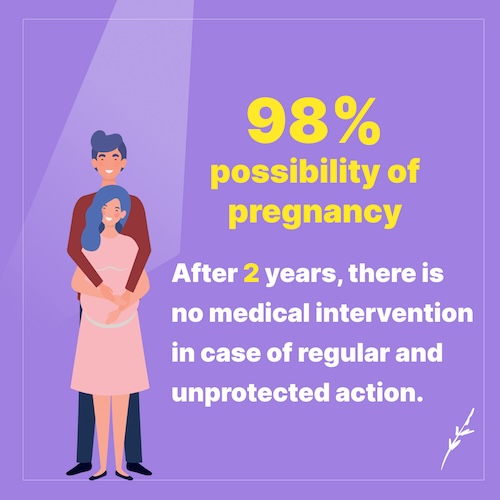
Many people assume that pregnancy happens quickly once contraception is stopped, but in reality, conception often takes time—even for healthy couples. Studies show that only about 18% of couples become pregnant within the first six months of trying, even when they have regular, unprotected sex and no known fertility issues.
This does not mean something is wrong. Human fertility is naturally inefficient compared to many other species. Pregnancy requires:
- Timely ovulation
- Healthy eggs and sperm
- Successful fertilization
- Proper implantation in the uterus
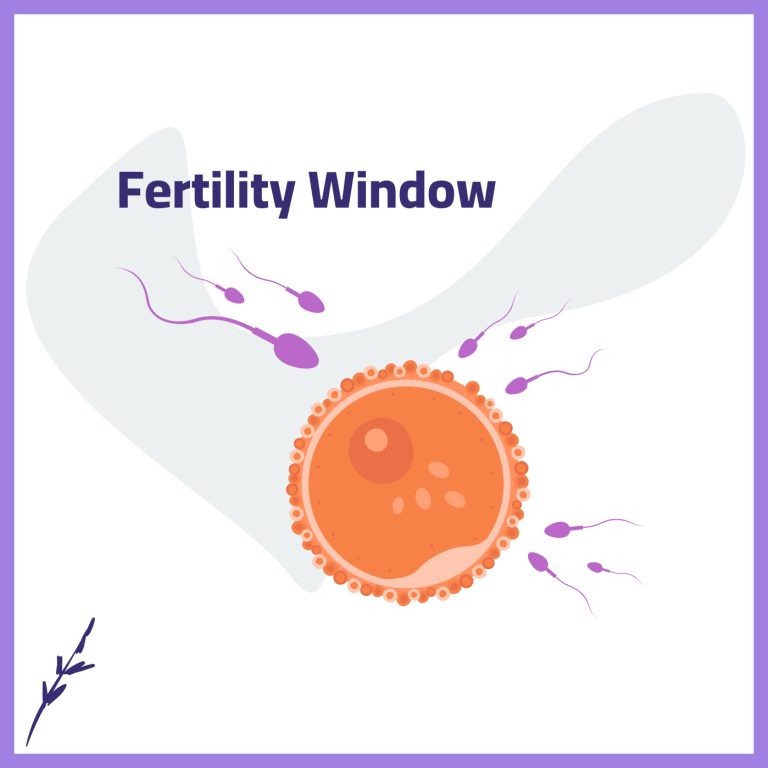
Each of these steps must align perfectly within a short fertility window each cycle.
What “Trying” Really Means
Trying to conceive is not just about time; it’s also about how you are trying. From a medical perspective, “actively trying” usually means:
- Having regular, unprotected intercourse (2–3 times per week)
- Timing intercourse around ovulation when possible
- Avoiding contraception entirely
If intercourse is infrequent, poorly timed, or disrupted by stress, illness, or lifestyle factors, it may take longer to conceive—even if fertility is otherwise normal.
When Patience Is Still Reasonable
Under Age 35
If you are under 35 years old, doctors generally recommend trying naturally for up to 12 months before seeking medical evaluation. During this time:
- It is normal for pregnancy not to happen immediately
- Small monthly chances add up gradually over time
- Many couples conceive between months 6 and 12
Unless there are known medical issues, this waiting period is considered safe and appropriate.
When to See a Doctor Sooner
Age plays a crucial role in fertility, especially for women, because egg quantity and quality decline over time.
Age 35–39
If you are 35 years or older, fertility declines more noticeably. In this age group:
- If pregnancy has not occurred after 6 months of regular, unprotected intercourse, it is strongly recommended to see a doctor.
- Early evaluation can save valuable time and allow for timely intervention if needed.
Age 40 and Above
If you are 40 years old or older, medical consultation is advised as soon as you decide to try for pregnancy.
- Fertility declines more rapidly after 40
- The risk of miscarriage and chromosomal abnormalities increases
- Early assessment helps clarify realistic options and timelines
Seeing a doctor early does not mean something is wrong—it means being proactive.
Fertility Is a Shared Responsibility
It’s important to remember that fertility is not only a women’s issue. Male factors contribute to infertility in a significant percentage of couples. Evaluation often includes:
- Hormonal tests
- Ovulation assessment
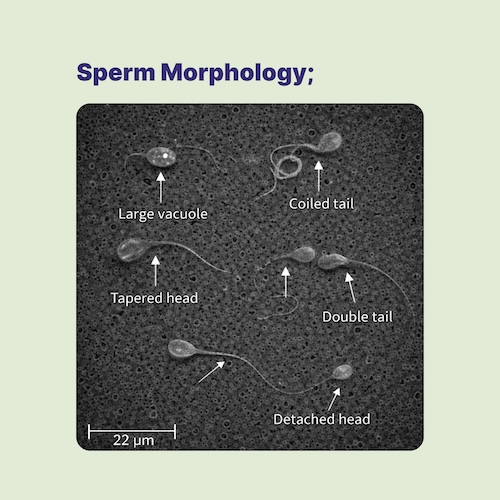
- Semen analysis
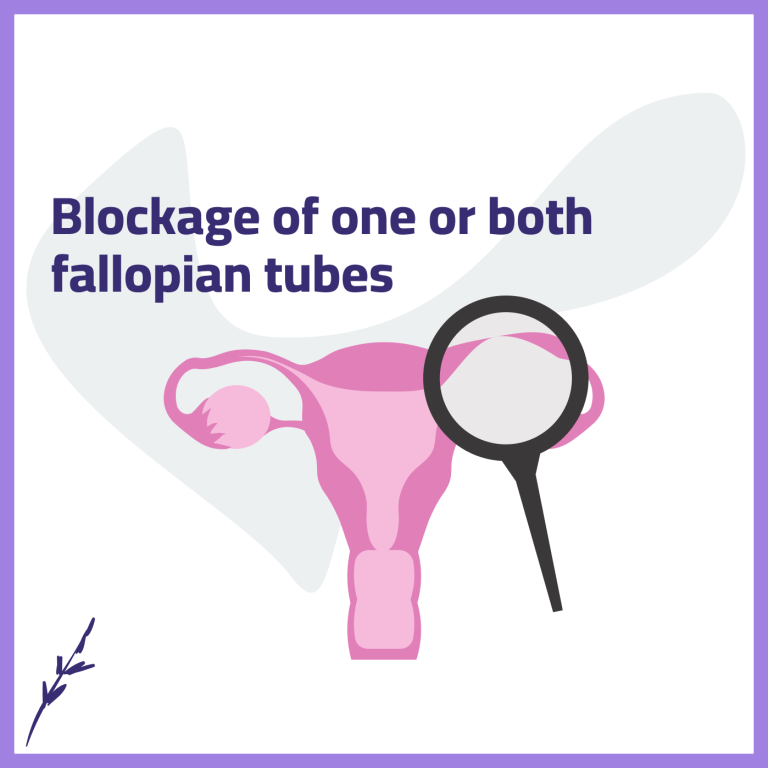
- Ultrasound or imaging studies
Both partners should be involved in the evaluation process, especially if conception is delayed.
Lifestyle Factors That Affect How Long It Takes
Fertility is influenced by much more than age alone. Several everyday factors can either support or hinder conception:
Nutrition
A balanced diet rich in whole foods, antioxidants, healthy fats, and adequate protein supports hormone production and reproductive health.
Physical Activity
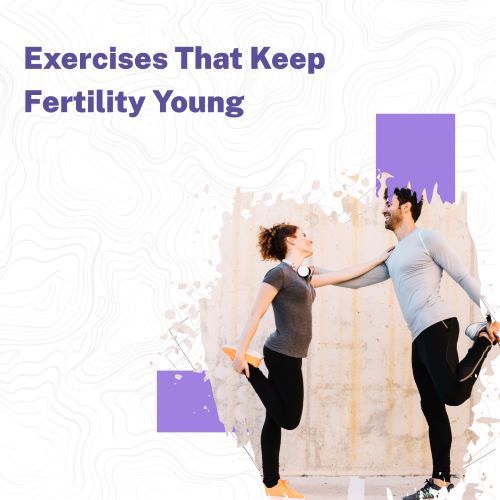
Moderate exercise supports fertility, while excessive or extreme exercise may disrupt hormones—especially in women.
Stress
Chronic stress can interfere with ovulation, sperm quality, libido, and relationship dynamics. Emotional health matters.
Sleep
Poor sleep affects hormone regulation, including those involved in reproduction.
Clothing and Heat Exposure
Tight clothing, prolonged heat exposure, and certain occupational factors can affect sperm quality in men.
These factors don’t usually cause infertility on their own, but they can delay conception or reduce monthly chances.
Why Early Guidance Can Help
Even if you don’t need medical treatment, early guidance can:
- Identify correctable issues
- Provide reassurance
- Help you optimize timing and lifestyle
- Reduce anxiety and misinformation
Many couples feel relief simply knowing where they stand.
When Waiting Is No Longer Helpful
Waiting too long can sometimes reduce options—especially as age increases. Seeking medical advice is not a sign of failure or impatience. It’s a step toward understanding your body and making informed decisions.
If you notice:
- Irregular or absent periods
- Severe menstrual pain
- Known medical conditions
- Previous reproductive surgeries
- A history of miscarriage
You may want to consult a doctor earlier than general guidelines suggest.
A Gentle Reminder
Fertility is not a race, but it is also not something to ignore indefinitely. Balancing patience with awareness is key. Each couple’s journey is unique, and comparing timelines with others often creates unnecessary stress.
Final Thoughts
If you are trying to get pregnant, remember:
- It’s normal for conception to take time
- Age matters when deciding how long to wait
- Fertility depends on lifestyle, health, and both partners
- Early consultation can be empowering, not alarming
Educating yourself is one of the best first steps. Reliable information about fertility check-ups, exercise, nutrition, and lifestyle adjustments can make a meaningful difference.
If you found this information helpful, consider sharing it with others who may need reassurance or guidance. Knowledge reduces fear—and informed choices lead to better outcomes.