Egg and Sperm reserves
Sperm and egg production are two fundamental biological processes that make human reproduction possible. Although both aim to create reproductive cells capable of fertilization, they differ significantly in how, when, and for how long they occur. These processes are deeply influenced by genetic makeup, hormonal regulation, environmental exposures, lifestyle habits, and aging. Understanding how sperm and egg production work—and why their quantity and quality decline over time—can help individuals make informed decisions about fertility, health, and family planning.
Sperm Production in Men (Spermatogenesis)
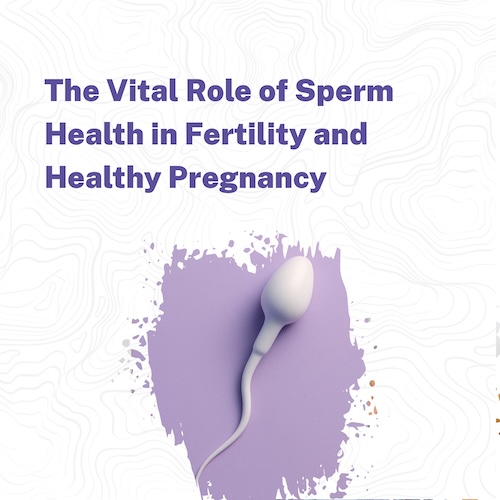
In men, sperm production takes place in the testicles through a complex process known as spermatogenesis. This process begins at puberty and, under normal circumstances, continues throughout a man’s life. Unlike egg production in women, sperm production is continuous, meaning new sperm are constantly being created.
Each testicle contains tiny structures called seminiferous tubules, where immature germ cells divide and mature into sperm cells. On average, a healthy adult man can produce millions of sperm every day. The full cycle of spermatogenesis takes approximately 70 to 75 days, followed by additional time for sperm to mature and gain motility in the epididymis.
This process is tightly regulated by hormones, primarily:
- Testosterone
- Follicle-stimulating hormone (FSH)
- Luteinizing hormone (LH)
Any disruption in this hormonal balance can negatively affect sperm production.
Decline in Sperm Quantity and Quality With Age
Although sperm production continues throughout life, it does not remain constant in quality or efficiency. Research shows that from around the age of 40, both the quantity and quality of sperm begin to decline gradually.
Common age-related changes in sperm include:
- Reduced sperm count
- Decreased motility (ability to swim effectively)
- Increased percentage of abnormally shaped sperm
- Higher rates of DNA fragmentation
These changes can reduce the sperm’s ability to fertilize an egg and may increase the risk of genetic abnormalities, miscarriage, or delayed conception.
Factors That Affect Sperm Quality
While age plays an important role, it is not the only factor influencing sperm health. Several lifestyle and environmental factors can significantly impact sperm quantity and quality:
Smoking and Alcohol Consumption
Tobacco smoke contains toxins that damage sperm DNA and reduce motility. Excessive alcohol intake can lower testosterone levels and interfere with sperm production.
Poor Nutrition
A lack of essential nutrients such as zinc, selenium, folate, omega-3 fatty acids, and antioxidants can impair sperm development and function.
Stress and Mental Pressure
Chronic stress increases cortisol levels, which can suppress reproductive hormones and negatively affect sperm production and sexual function.
Environmental Exposures
Exposure to pesticides, heavy metals, radiation, heat, and industrial chemicals can damage sperm cells and reduce fertility.
Egg Production in Women (Oogenesis)
Egg production in women follows a very different pattern. Unlike men, women are born with all the eggs they will ever have. Egg formation occurs during fetal development, and no new eggs are produced after birth.
At birth, a female infant has approximately 1 to 2 million eggs stored in her ovaries. By the time she reaches puberty, this number declines to around 300,000 to 400,000. Throughout a woman’s reproductive life, typically only 400 to 500 eggs will mature and be released through ovulation.
Each menstrual cycle, several follicles begin to develop, but usually only one egg reaches full maturity and is released. The rest undergo natural degeneration.
Decline in Egg Quantity and Quality Over Time
The decline in egg quantity and quality is a natural and inevitable process. However, this decline accelerates with age, especially after 35 years. Both the number of remaining eggs (ovarian reserve) and their genetic quality decrease over time.
Age-related changes in eggs include:
- Reduced number of viable eggs
- Increased chromosomal abnormalities
- Lower fertilization rates
- Higher risk of miscarriage
- Reduced success rates with natural conception and assisted reproduction
This decline explains why fertility decreases with age and why pregnancy risks increase later in life.
Factors Affecting Egg Quality
Several factors influence egg quality, some of which are beyond control, while others are modifiable:
Age
Age is the most significant factor affecting egg quality. As women age, eggs accumulate genetic damage, increasing the risk of chromosomal errors.
Medical Conditions
Conditions such as polycystic ovary syndrome (PCOS), endometriosis, autoimmune disorders, and ovarian surgery can negatively affect ovarian function and egg quality.
Lifestyle and Environmental Factors
Smoking, alcohol consumption, poor nutrition, chronic stress, and exposure to environmental toxins can accelerate ovarian aging and reduce egg quality.
Comparing Sperm and Egg Production
While both sperm and egg production decline with age, the patterns are very different:
- Sperm are produced continuously but gradually decline in quality
- Eggs are finite and decline steadily in both number and quality
- Female fertility has a more defined biological time limit
These differences highlight why age-related fertility decline tends to affect women earlier and more dramatically than men.
Supporting Reproductive Cell Health
Although aging cannot be stopped, certain strategies may help preserve sperm and egg quality:
- Maintaining a balanced, nutrient-rich diet
- Avoiding smoking, excessive alcohol, and drugs
- Managing stress effectively
- Protecting against environmental toxins
- Seeking medical evaluation when fertility concerns arise
Early awareness and proactive health choices can make a meaningful difference in reproductive outcomes.
Conclusion
Sperm and egg production are complex, essential processes that evolve over time under the influence of age, genetics, hormones, lifestyle, and environmental factors. While sperm production continues throughout a man’s life, its quality declines gradually. In contrast, women experience a steady and irreversible decline in both egg quantity and quality.
Understanding these biological realities empowers individuals and couples to make informed decisions about fertility, timing, and health. Maintaining a healthy lifestyle and seeking professional guidance when needed can help protect reproductive potential and improve the chances of successful conception.