Blockage of one or both fallopian tubes in failure of conception
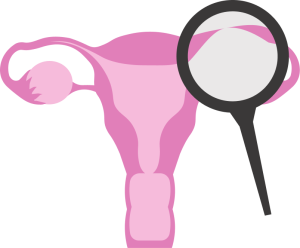
A blockage of one or both fallopian tubes is a medical condition that can significantly affect a woman’s fertility and her ability to conceive naturally. The fallopian tubes are narrow, delicate structures that connect the ovaries to the uterus. Their primary role is to transport the egg from the ovary to the uterus and to provide the site where fertilization typically occurs. When one or both tubes are blocked, the egg and sperm cannot meet, making pregnancy difficult or impossible without medical intervention.
Fallopian tube blockage is a common cause of female infertility and may be partial or complete, unilateral (one tube) or bilateral (both tubes). The impact on fertility depends on the location, severity, and underlying cause of the blockage.
The Role of the Fallopian Tubes in Conception
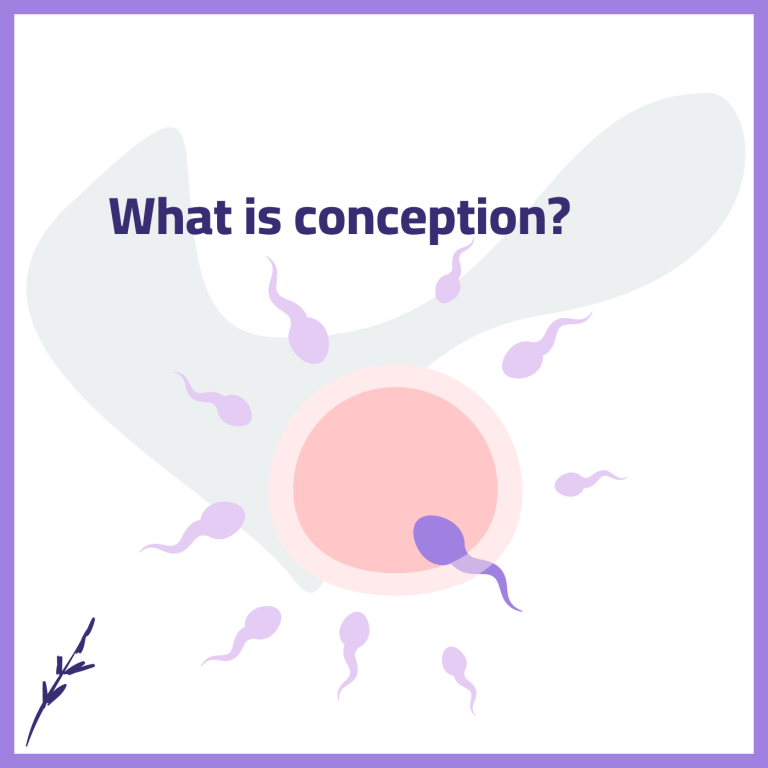
During ovulation, an egg is released from the ovary and captured by the fimbriae at the end of the fallopian tube. The egg then travels through the tube toward the uterus. Sperm that enter the female reproductive tract after intercourse travel through the cervix and uterus to reach the fallopian tube, where fertilization usually takes place.
If the fallopian tube is blocked:
- The egg may not reach the tube
- Sperm may not be able to reach the egg
- A fertilized egg may not be able to travel safely to the uterus
Any of these situations can prevent pregnancy or increase the risk of complications such as ectopic pregnancy.
Causes of Blocked Fallopian Tubes
Blocked fallopian tubes are most often caused by conditions that lead to inflammation, scarring, or structural damage. Common causes include:
Pelvic Inflammatory Disease (PID)
PID is one of the leading causes of tubal blockage and usually results from untreated bacterial infections, often sexually transmitted infections such as chlamydia or gonorrhea. Repeated or severe infections can cause permanent scarring of the tubes.
Endometriosis
Endometriosis occurs when tissue similar to the uterine lining grows outside the uterus. This tissue can involve the fallopian tubes and surrounding structures, leading to inflammation, adhesions, and blockage.
Previous Ectopic Pregnancy
An ectopic pregnancy, especially one occurring in the fallopian tube, can damage the tube and increase the likelihood of future blockages.
Pelvic or Abdominal Surgery
Surgeries involving the pelvis, abdomen, or reproductive organs may lead to adhesions (scar tissue) that obstruct or distort the fallopian tubes.
Fibroids or Pelvic Masses
Large uterine fibroids or ovarian cysts can compress or distort the tubes, interfering with normal function.
Hydrosalpinx
This condition occurs when a fallopian tube becomes filled with fluid due to chronic infection or inflammation, significantly reducing fertility and negatively affecting IVF outcomes.
Symptoms of Blocked Fallopian Tubes
In many cases, blocked fallopian tubes cause no noticeable symptoms. Often, the first sign is difficulty conceiving after months or years of trying.
Some women may experience:
- Chronic or intermittent lower abdominal or pelvic pain
- Pain during ovulation or menstruation
- Discomfort related to underlying conditions such as endometriosis or infection
Because symptoms are often absent or nonspecific, diagnostic testing is usually required.
How Are Blocked Fallopian Tubes Diagnosed?
Several diagnostic tools are used to evaluate tubal patency and reproductive anatomy:
Hysterosalpingogram (HSG)
HSG is an X-ray procedure in which contrast dye is injected into the uterus and fallopian tubes. It helps determine whether the tubes are open or blocked and identifies the location of the blockage.
Laparoscopy
Laparoscopy is a minimally invasive surgical procedure that allows direct visualization of the fallopian tubes and surrounding organs. It is considered the gold standard for diagnosing tubal disease and can sometimes treat blockages during the same procedure.
Ultrasound
While standard ultrasound cannot always detect tubal blockage, it may identify conditions such as hydrosalpinx or pelvic masses that suggest tubal pathology.
Treatment Options for Blocked Fallopian Tubes
Treatment depends on the cause, location, and severity of the blockage, as well as the woman’s age and reproductive goals.
1. Surgical Treatment
Surgery may be used to remove scar tissue, repair damaged sections of the tube, or reopen blocked areas. In selected cases, surgery can restore tubal function and allow natural conception.
However:
- Success rates vary
- There is an increased risk of ectopic pregnancy after tubal surgery
- Severe or extensive damage may not be repairable
2. Tubal Cannulation
Tubal cannulation involves inserting a thin catheter or wire through the uterus to open a proximal (near the uterus) blockage. This procedure may be performed during HSG or under imaging guidance.
It can be effective for mild or single blockages but is less successful for extensive scarring or distal blockages.
3. In Vitro Fertilization (IVF)
IVF is often the most effective option for women with severe or bilateral tubal blockage. This technique bypasses the fallopian tubes entirely by fertilizing the egg in a laboratory and transferring the embryo directly into the uterus.
While IVF offers high success rates, it:
- Is costly
- Requires hormonal stimulation and medical procedures
- May involve physical and emotional stress
Making the Right Decision
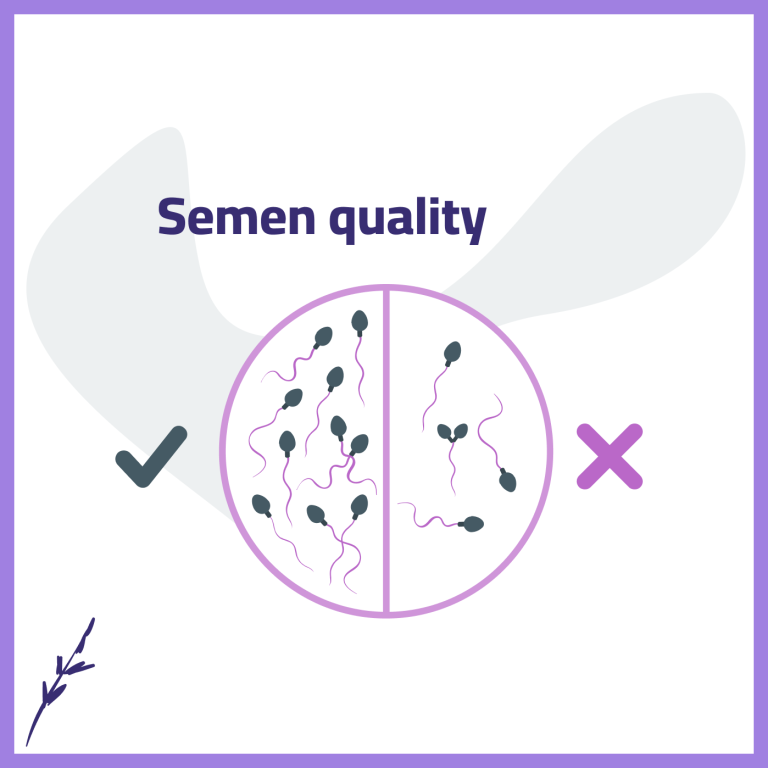
Choosing the appropriate treatment requires individualized medical evaluation. Factors such as age, ovarian reserve, sperm quality, extent of tubal damage, and personal preferences must all be considered.
Final Thoughts
A blockage of one or both fallopian tubes is a significant but manageable cause of female infertility. While natural conception may be difficult, modern diagnostic tools and fertility treatments provide multiple pathways to pregnancy. Early diagnosis and personalized treatment planning can greatly improve reproductive outcomes and help women achieve their fertility goals.