82% there is a chance of pregnancy after a year
One of the most important—and often misunderstood—questions couples ask when planning a pregnancy is how long they should keep trying naturally before seeing a fertility specialist. Many people worry too early, while others wait longer than is helpful. Knowing the real statistics and age-based recommendations can bring clarity, reduce stress, and help couples make confident decisions.
The Reality of Natural Pregnancy Chances
Scientific data show that after one full year of regular, unprotected intercourse, approximately 82% of couples achieve a natural pregnancy—without any medical intervention. This number surprises many people, because it highlights an important truth:
pregnancy often takes time, even when everything is normal.
Human fertility is not immediate. Each menstrual cycle offers only a limited fertile window, and even under ideal conditions, the chance of conception per month is relatively low. When these monthly probabilities accumulate over time, most couples eventually conceive within a year.
This is why fertility specialists do not label a couple as infertile simply because pregnancy does not occur in the first few months.
What Does “Regular and Unprotected Intercourse” Mean?
From a medical perspective, trying to conceive effectively means:
- Having unprotected intercourse 2–3 times per week
- Maintaining this pattern consistently
- Not using any form of contraception
- Ideally timing intercourse around ovulation (though this is not mandatory)
If intercourse is irregular, infrequent, or affected by stress, illness, travel, or lifestyle factors, the time to pregnancy may naturally be longer—even in fertile couples.
If You Are Under 35: Patience Is Usually Appropriate
If you are under 35 years old, most medical guidelines agree that you can safely:
- Try naturally for up to 12 months
- Without being labeled infertile
- Without immediate medical intervention
Even after one year, many couples are still not considered infertile, especially if there are no known medical issues. At this stage, visiting a doctor is often recommended not because something is “wrong,” but to:
- Optimize timing
- Identify mild, correctable issues
- Provide reassurance
- Prevent unnecessary anxiety
In many cases, pregnancy occurs shortly after minimal guidance or simple treatment.
Over 35: Why the Timeline Changes
Age plays a critical role in fertility—particularly for women—because egg quantity and quality decline over time.
If you are over 35 years old and pregnancy has not occurred after six months of regular, unprotected intercourse, specialists recommend seeing a fertility doctor. This earlier referral is advised because:
- Fertility declines faster after 35
- Time becomes a more important factor
- Early evaluation can prevent delays
Importantly, many women over 35 conceive after:
- Simple hormonal support
- Short-term ovulation-inducing medications
- Lifestyle adjustments
In these cases, early consultation helps save time, not escalate treatment unnecessarily.
Age 40 and Above: Act Immediately
At 40 years of age or older, fertility specialists strongly recommend not waiting.
If you are 40+ and planning to conceive:
- Consult a fertility specialist as soon as you decide to try
- Do not wait six months or a year
At this stage, fertility is considered time-sensitive. Egg reserve and egg quality decline more rapidly, and the risk of miscarriage increases. Early evaluation helps:
- Assess realistic chances
- Explore appropriate options
- Avoid losing valuable time
This does not mean pregnancy is impossible—many women conceive in their 40s—but timing and planning are crucial.
Infertility Does Not Always Mean Complex Treatment
One common fear is that visiting a fertility specialist automatically leads to invasive or expensive treatments. In reality, this is often not the case.
In many situations:
- Pregnancy occurs with a few supportive medications
- Minor hormonal imbalances are corrected
- Simple lifestyle changes make a difference
- Both partners receive reassurance and guidance
The goal of early evaluation is care and prevention, not rushing into advanced procedures.
Fertility Is a Shared Journey
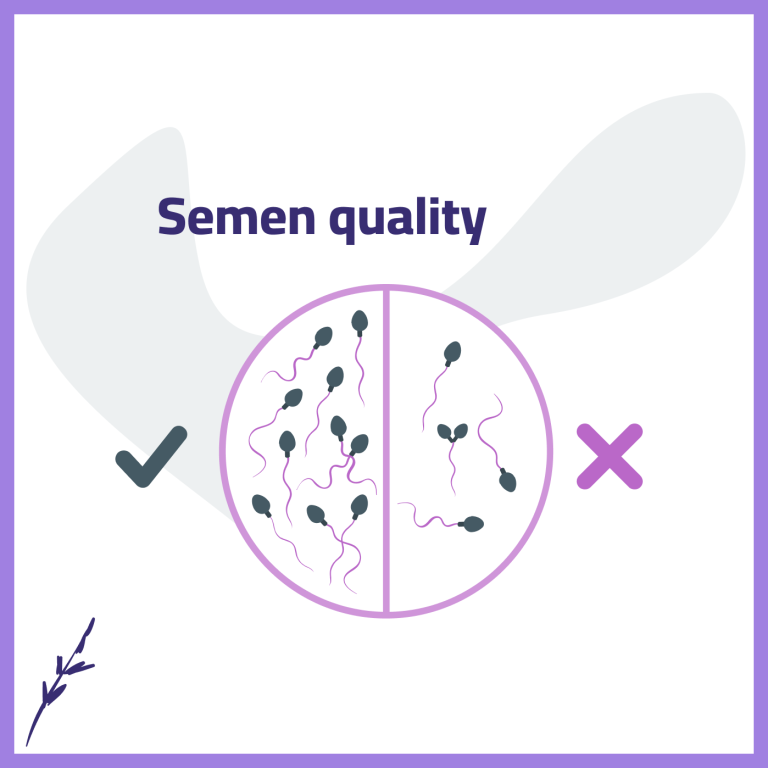
It’s also essential to remember that fertility is not only a women’s issue. Male factors contribute to a significant percentage of delayed pregnancies. A complete evaluation often includes:
- Semen analysis
- Hormonal testing
- Cycle and ovulation assessment
- Ultrasound or imaging when needed
Addressing fertility as a couple improves outcomes and reduces unnecessary pressure on one partner.
Why Waiting Too Long Can Be Risky
While patience is important, waiting indefinitely is not always helpful, especially as age increases. Delaying evaluation may:
- Reduce available options
- Increase emotional stress
- Lead to missed opportunities for simple solutions
Seeking advice is a proactive step—not a sign of failure.
A Gentle but Important Reminder
- Under 35: waiting up to one year is usually safe
- Over 35: six months is the recommended limit
- Over 40: do not wait—seek advice immediately
These guidelines exist to protect your time, health, and emotional well-being.
Looking Ahead
Very soon, with the launch of our application, free checklists, fertility guidance, and personalized care information will be available to support you throughout your journey—from early planning to medical follow-ups.
If this information resonates with you, or if you know couples who may benefit from it, please consider sharing it. Clear, evidence-based knowledge can reduce fear, prevent delays, and empower better decisions.
You’re not alone on this journey—and informed patience is often the best first step.