Properties of Broccoli to improve egg quality
Broccoli is often described as a “super vegetable,” and for good reason. Beyond its general health benefits, broccoli plays a meaningful role in supporting ovulation, hormonal balance, and overall reproductive health, especially for women who are planning pregnancy or aiming to optimize fertility naturally. Its unique combination of plant compounds, antioxidants, vitamins, minerals, and fiber makes broccoli a valuable addition to a fertility-supportive diet.
While no single food can guarantee fertility, regularly including broccoli as part of a balanced and nutrient-rich diet can help create a healthier internal environment for ovulation and egg development.
Supporting Hormonal Balance Through Estrogen Regulation
One of the most important fertility-related compounds found in broccoli is indole-3-carbinol. This naturally occurring plant compound helps the body metabolize estrogen more efficiently. Estrogen balance is critical for:
- Regular ovulation
- A healthy menstrual cycle
- Proper development of the uterine lining
When estrogen levels are too high or poorly metabolized, women may experience irregular cycles, ovulation problems, or estrogen-sensitive conditions that can interfere with fertility. By supporting healthier estrogen metabolism, broccoli may help reduce hormonal imbalances and promote more predictable ovulation.
Antioxidant Protection for Egg Cells
Egg cells are particularly vulnerable to oxidative stress, a process caused by free radicals that can damage cellular structures and DNA. Oxidative stress tends to increase with age, stress, inflammation, and environmental exposure, all of which can negatively affect egg quality.
Broccoli is rich in powerful antioxidants, including sulforaphane, which helps:
- Neutralize free radicals
- Reduce cellular inflammation
- Protect egg cells from oxidative damage
By lowering oxidative stress, broccoli may help preserve egg quality and support healthier ovulation over time.
A Nutrient-Dense Vegetable for Reproductive Health
Broccoli provides a wide range of essential nutrients that are directly linked to reproductive function:
- Folate (Vitamin B9): Critical for DNA synthesis, cell division, and healthy egg maturation. Adequate folate intake is associated with improved ovulation and reduced risk of chromosomal abnormalities.
- Vitamin C: Supports immune function, reduces oxidative stress, and contributes to hormone production.
- Calcium: Important for muscle function, including uterine muscle activity, and for cellular signaling involved in ovulation.
- Iron: Essential for oxygen transport and energy production. Iron deficiency has been linked to ovulatory disorders and fatigue.
Together, these nutrients help support both the ovaries and the broader reproductive system.
Fiber and Its Role in Hormonal Health
Broccoli is naturally high in dietary fiber, which plays a key role in hormonal regulation. Fiber helps the body:
- Eliminate excess estrogen
- Stabilize blood sugar levels
- Support gut health
Stable blood sugar is especially important for fertility, as insulin resistance and blood sugar fluctuations can disrupt ovulation and hormone signaling. By supporting metabolic balance, fiber-rich foods like broccoli indirectly promote more regular ovulation and improved reproductive health.
Supporting a Healthy Weight and Metabolism
Maintaining a healthy body weight is an important factor in ovulation and fertility. Broccoli is:
- Low in calories
- High in volume and nutrients
- Filling due to its fiber content
These qualities make broccoli an excellent food for weight management without compromising nutrition. A healthy weight is associated with more regular ovulation, improved hormone balance, and better fertility outcomes.
Broccoli as Part of a Fertility-Supportive Lifestyle
It’s important to remember that broccoli works best as part of an overall fertility-supportive lifestyle, not as a standalone solution. Its benefits are enhanced when combined with:
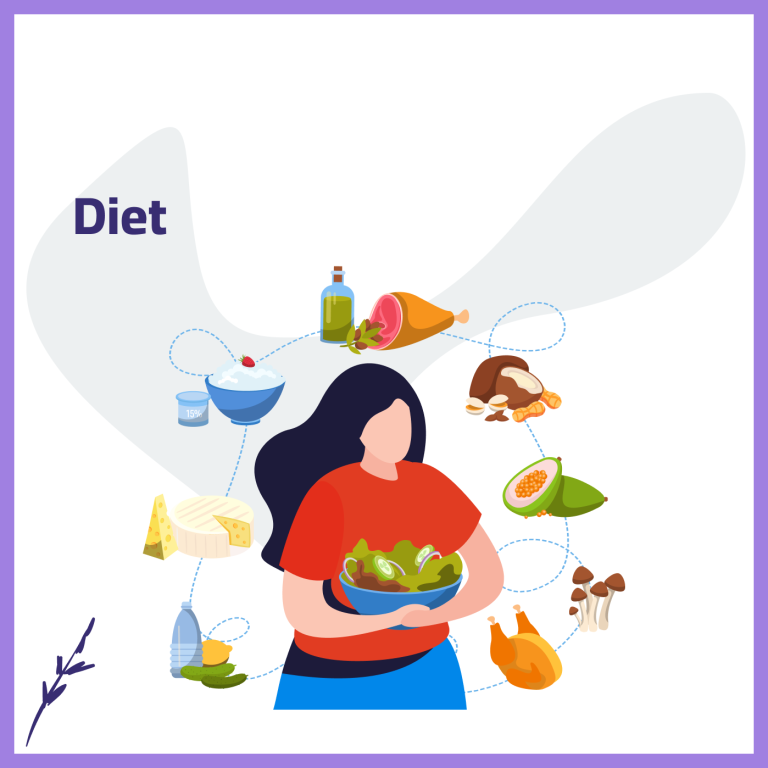
- A varied diet rich in vegetables, fruits, healthy fats, and lean proteins
- Regular, moderate physical activity
- Stress management and adequate sleep
- Medical guidance when needed
Cooking methods also matter. Light steaming or sautéing broccoli helps preserve its nutrients, while overcooking may reduce its antioxidant content.
Conclusion
Broccoli is a powerful, nutrient-rich vegetable that supports ovulation and female reproductive health through multiple pathways. By helping regulate estrogen metabolism, protecting egg cells from oxidative stress, providing essential fertility-related nutrients, and supporting metabolic and hormonal balance, broccoli can play a meaningful role in a fertility-friendly diet. Including broccoli regularly—whether steamed, roasted, or added to meals—can help build a healthier foundation for ovulation and reproductive well-being.