Which couples are candidates for infertility treatments ?
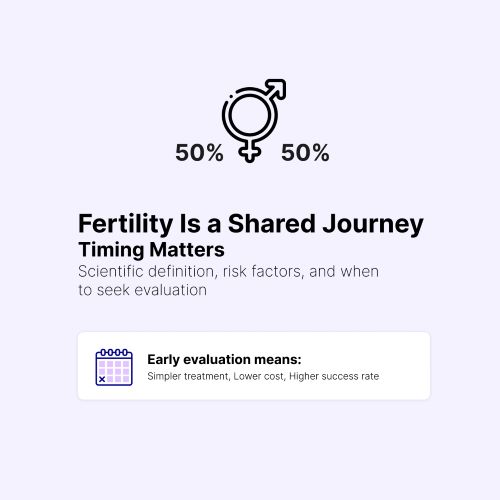
Infertility is a common challenge on the path to parenthood, and many couples eventually face the question of whether it is time to seek medical help and begin infertility treatment. In general, couples who have not achieved a natural pregnancy after a defined period of regular, unprotected intercourse may be considered candidates for fertility evaluation and treatment. The length of this period depends on several factors, including age, overall health, medical history, and lifestyle.
As discussed in previous articles, age plays a critical role in fertility—especially female age. Fertility potential, pregnancy rates, and response to treatment all decline with advancing age. For a deeper understanding, we recommend reviewing our earlier articles specifically focused on age and fertility.
Causes of Infertility in Women
1. Ovulation Disorders
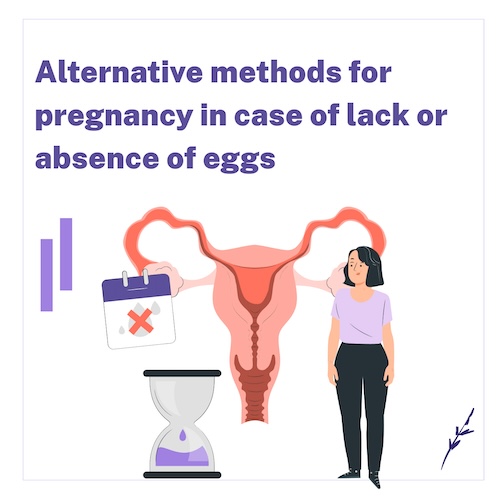
One of the most common causes of female infertility is absent or irregular ovulation. Conditions such as polycystic ovary syndrome (PCOS), thyroid disorders, elevated prolactin levels, or other hormonal imbalances can interfere with normal ovulation. Even when the reproductive organs are anatomically healthy, disrupted ovulation significantly reduces the chances of pregnancy.
2. Blockage of the Fallopian Tubes
The fallopian tubes are the site where fertilization usually occurs. Blocked or damaged fallopian tubes can prevent sperm from reaching the egg or stop the fertilized embryo from traveling to the uterus. Tubal damage may result from pelvic infections, sexually transmitted diseases, previous surgeries, or endometriosis.
3. Structural Abnormalities of the Uterus
Structural problems within the uterus can interfere with embryo implantation. Fibroids, polyps, intrauterine adhesions, or congenital uterine abnormalities may reduce fertility or increase the risk of miscarriage.
4. Endometriosis
Endometriosis is a condition in which tissue similar to the uterine lining grows outside the uterus. It can cause inflammation, pelvic pain, adhesions, and dysfunction of the ovaries and fallopian tubes, making it a significant contributor to infertility.
5. Immune-Related Disorders
In some women, the immune system may mistakenly attack sperm or the developing embryo, identifying them as foreign invaders. These immune disorders can prevent implantation or cause recurrent pregnancy loss and often require specialized testing.
Causes of Infertility in Men
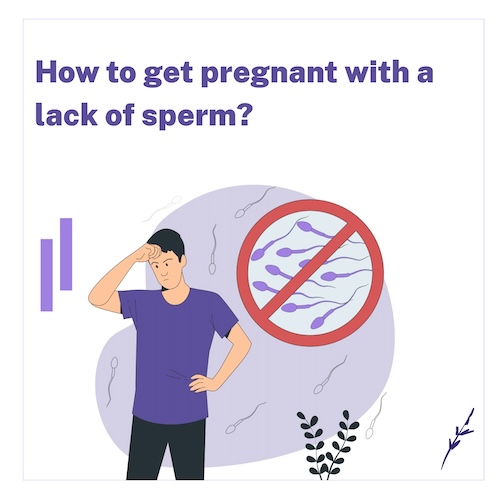
1. Low Sperm Count
A reduced number of sperm in the ejaculate is a common cause of male infertility. When sperm concentration falls below normal levels, the likelihood of fertilization decreases.
2. Reduced Sperm Motility
Sperm must be able to move efficiently to reach and fertilize the egg. Poor or abnormal sperm movement can significantly impair fertility.
3. Abnormal Sperm Morphology
Abnormal sperm shape or structure may prevent sperm from penetrating the egg. Morphological abnormalities are another important factor contributing to male infertility.
Lifestyle and General Health Factors Affecting Both Partners
Weight Issues
Both overweight and underweight conditions can disrupt hormonal balance. In women, this may cause irregular menstrual cycles and ovulation problems, while in men it can reduce sperm count and quality.
Smoking, Alcohol, and Drug Use
Tobacco, alcohol, and recreational drugs can damage reproductive cells, increase oxidative stress, and negatively affect egg and sperm quality. These habits also reduce the success rates of fertility treatments.
Chronic Stress
Severe or long-term stress affects the hormonal systems that regulate reproduction. Stress can lower libido, disrupt ovulation, impair sperm production, and strain relationships between partners.
Unexplained Infertility
In some couples, no specific cause of infertility is identified despite comprehensive testing. This condition, known as unexplained infertility, is relatively common. Importantly, many couples with unexplained infertility still achieve pregnancy through assisted reproductive techniques.
Infertility Treatment Options
Treatment depends on the underlying diagnosis and the couple’s individual circumstances. Common fertility treatments include:
Intrauterine Insemination (IUI)
Prepared sperm are placed directly into the uterus at the time of ovulation to increase the chance of fertilization.
In Vitro Fertilization (IVF)
Eggs and sperm are fertilized in a laboratory, and the resulting embryo is transferred into the uterus. IVF is widely used for various infertility causes.
Ovulation Induction Medications
Hormonal medications may be prescribed to stimulate or regulate ovulation in women with ovulatory disorders.
Corrective Surgeries
Surgical treatment may be required to remove fibroids, repair blocked tubes, or correct anatomical abnormalities.
Conclusion
Infertility is a multifactorial condition that may originate from the woman, the man, or both partners. Accurate diagnosis and selection of the appropriate treatment should always be performed by gynecologists, urologists, or fertility specialists after thorough evaluation. Early consultation, lifestyle modifications, and timely treatment can significantly improve the chances of successful pregnancy.