Alternative methods for pregnancy in case of lack or absence of eggs
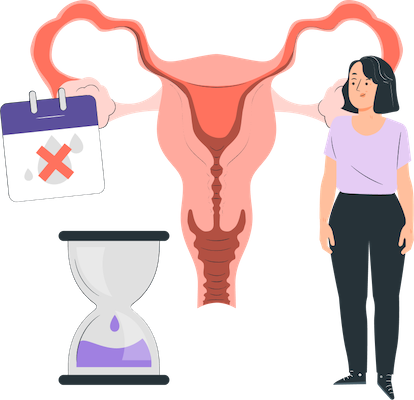
The presence of a healthy egg and regular ovulation is one of the fundamental pillars of female fertility. Lack of eggs or absence of ovulation (anovulation) has a direct and significant impact on a woman’s ability to conceive, because in the natural process of pregnancy, fertilization can only occur when a mature egg is released from the ovary and meets a sperm. Without ovulation, natural pregnancy is essentially impossible.
Anovulation may be temporary or permanent, and its severity can range from mild hormonal irregularities to complete ovarian failure. Identifying the underlying cause is essential in choosing the most appropriate and effective treatment strategy.
Common Causes of Anovulation
Hormonal Imbalances
One of the most frequent causes of anovulation is hormonal imbalance. Hormones such as follicle-stimulating hormone (FSH), luteinizing hormone (LH), estrogen, progesterone, prolactin, and thyroid hormones must work in harmony to trigger ovulation. Any disruption in this hormonal axis can prevent the ovary from releasing an egg.
Polycystic Ovary Syndrome (PCOS)
PCOS is one of the leading causes of infertility in women of reproductive age. In this condition, the ovaries contain many small, immature follicles that fail to develop properly, resulting in irregular or absent ovulation. Symptoms often include irregular menstrual cycles, elevated androgen levels, acne, and weight gain.
Premature Ovarian Insufficiency (POI)
In some women, the ovaries lose their normal function earlier than expected. Premature ovarian insufficiency may be caused by genetic factors, autoimmune diseases, chemotherapy, or radiation therapy. This condition leads to a severe reduction or complete cessation of egg production.
Genetic and Medical Conditions
Certain genetic disorders and chronic diseases can negatively affect ovarian function. Additionally, severe stress, extreme weight loss or gain, excessive exercise, and poor nutrition are important lifestyle-related factors that can disrupt ovulation.
Effects of Egg Deficiency or Anovulation on Fertility
Inability to Achieve Fertilization
The most obvious consequence of egg absence is the impossibility of fertilization. Even with healthy sperm and regular sexual intercourse, pregnancy cannot occur without an egg.
Menstrual Irregularities
Women with anovulation often experience irregular menstrual cycles, missed periods, or abnormal uterine bleeding. These changes are usually early warning signs of ovarian dysfunction.
Reduced Chance of Successful Pregnancy
Even when ovulation occurs sporadically, egg quality may be compromised, which lowers the likelihood of successful fertilization, implantation, and a sustained pregnancy.
Alternative Pregnancy Options in Cases of Egg Deficiency or Ovulation Disorders
Ovulation Induction
In many women with ovulatory disorders, medications can be used to stimulate the ovaries to produce and release eggs. Clomiphene citrate (Clomid) and Letrozole are commonly used as first-line treatments.
In some cases, injectable gonadotropins (FSH and LH) may be prescribed. It is extremely important that these medications are used strictly under medical supervision, as improper use can lead to serious complications such as ovarian hyperstimulation syndrome or multiple pregnancies.
In Vitro Fertilization (IVF) With Donor Eggs
For women whose ovaries have completely lost the ability to produce eggs, donor egg IVF is one of the most effective options. In this method, an egg from a donor is fertilized with the partner’s or intended parent’s sperm, and the resulting embryo is transferred into the woman’s uterus.
This approach allows women with complete ovarian failure to experience pregnancy and childbirth.
IVF Using One’s Own Eggs After Stimulation
When ovulation is irregular but the ovaries still retain some functional capacity, ovarian stimulation can be performed to retrieve eggs. These eggs are fertilized through IVF, and high-quality embryos are later transferred into the uterus.
Surrogacy
In cases where egg deficiency is combined with severe uterine problems, surrogacy may be considered. In this method, an embryo created from a donor egg or the woman’s own egg and sperm is implanted into the uterus of a surrogate, who carries the pregnancy to term.
Egg Freezing (Oocyte Cryopreservation)
For women who do not plan to conceive in the near future but are at risk of declining ovarian reserve—such as those approaching the age of 35, diagnosed with certain medical conditions, or undergoing cancer treatments—egg freezing is a valuable preventive option. Healthy eggs are retrieved and frozen for future use.
Summary and Final Recommendations
Egg deficiency or anovulation is one of the most important causes of female infertility. However, in many cases, it is diagnosable and treatable. Choosing the most appropriate treatment depends on individual factors such as age, ovarian reserve, underlying medical conditions, and overall health.
It is strongly recommended that:
- Women approaching 35 years of age who are not planning immediate pregnancy undergo ovarian reserve testing (AMH).
- Women facing serious medical treatments consult their physician about egg freezing.
- All fertility treatments be carried out under the supervision of a fertility specialist.
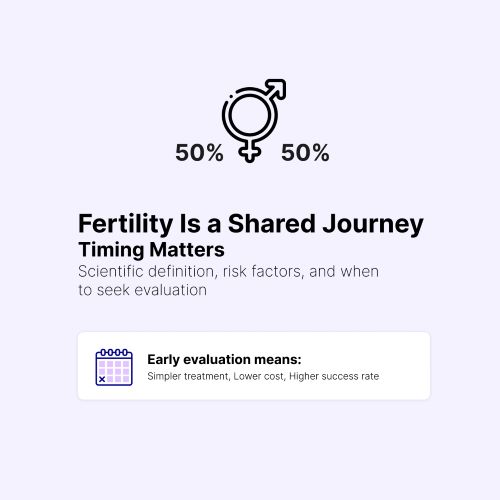
Early awareness and timely intervention can significantly improve reproductive outcomes—even in challenging situations.